STRINGERS – EVOLUTION OF PRECARIOUSNESS, FREEDOM OF TESTIMONY
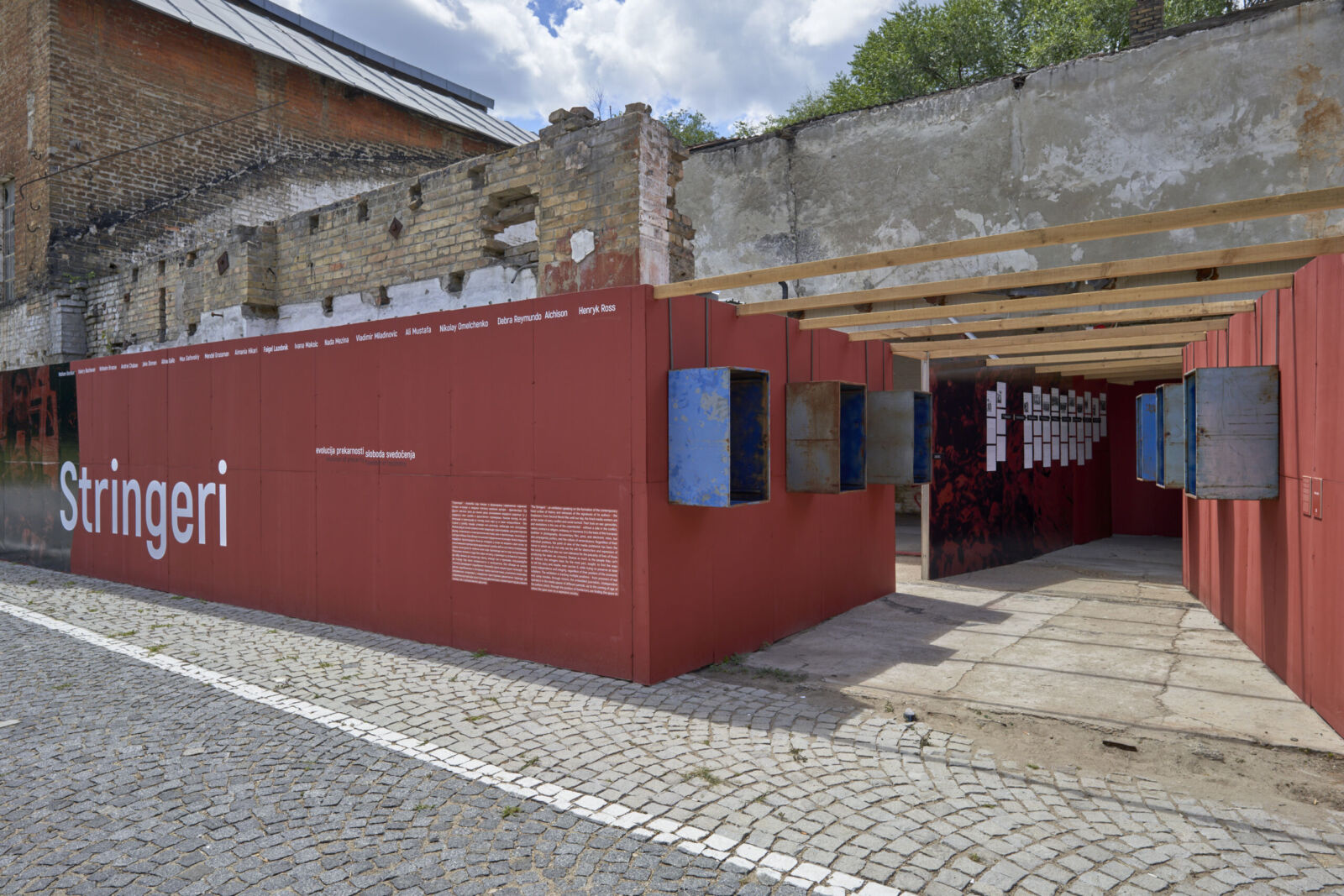
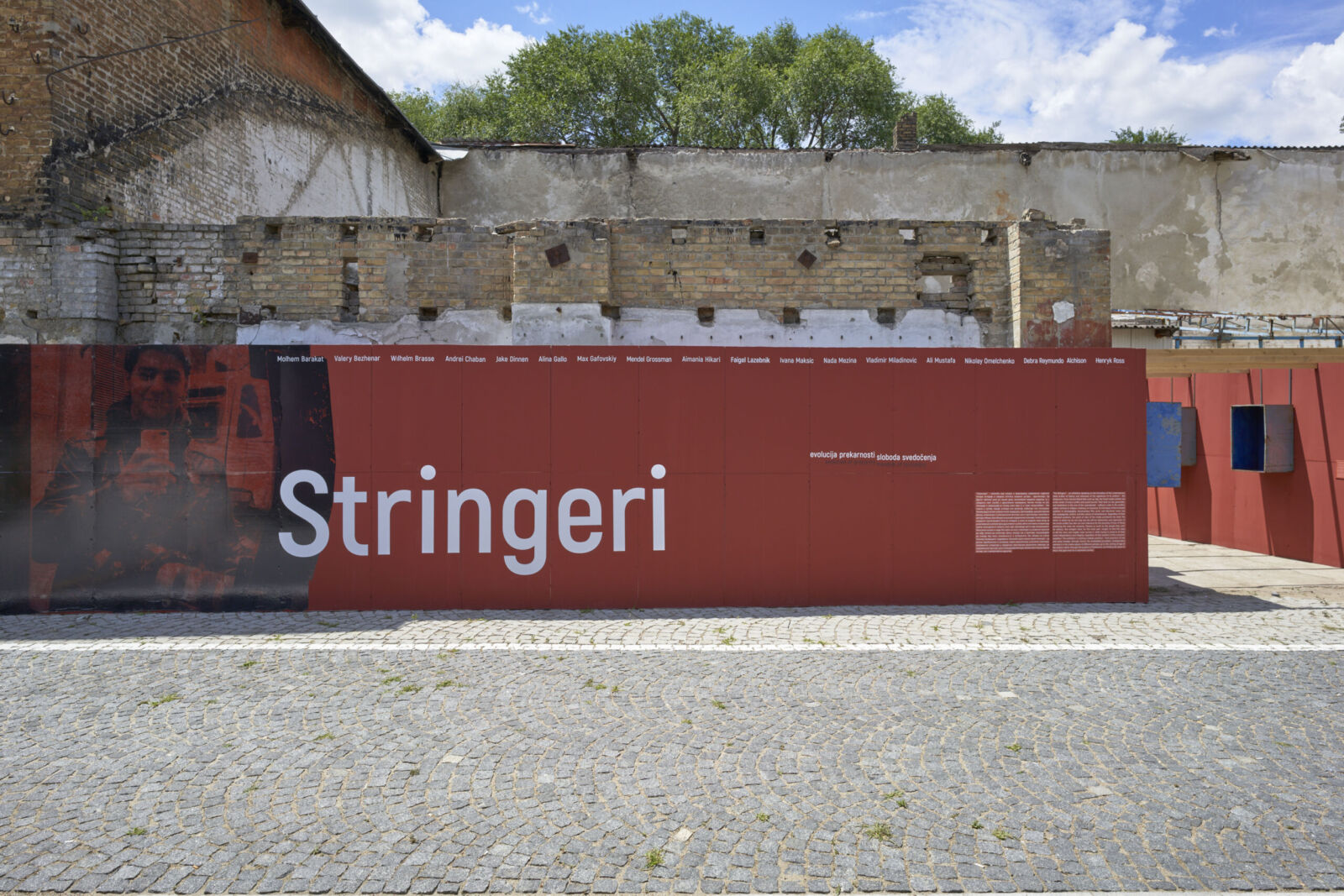
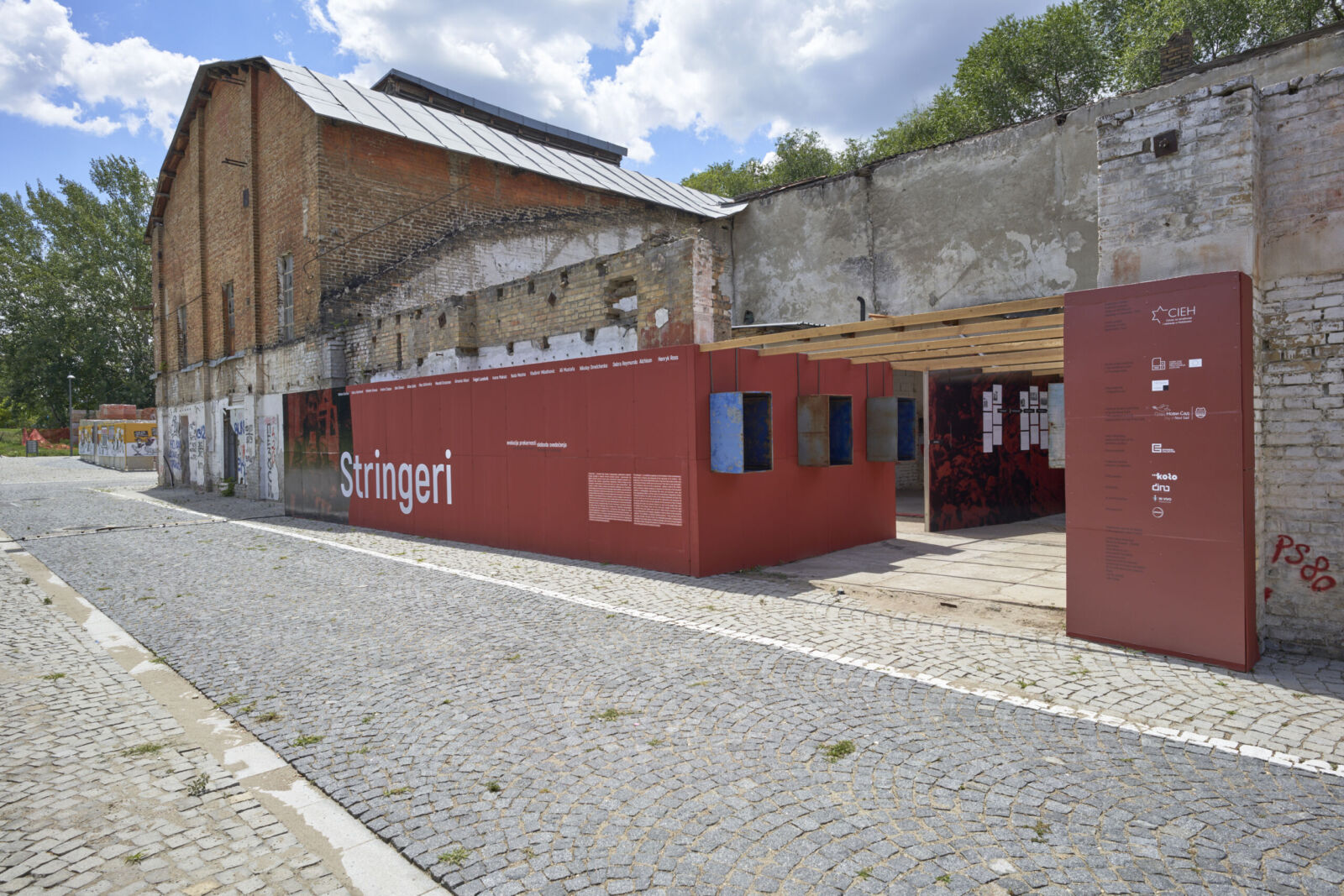
In an extraordinary collaboration between the Centre for Holocaust Research and Education and the Ephemera collective of BAZA, a temporary site-specific pavilion was constructed in the Creative District of Novi Sad for the exhibition STRINGERS: Evolution of Precarity, Freedom of Testimony. The pavilion was open from July 9 to August 9, 2022.
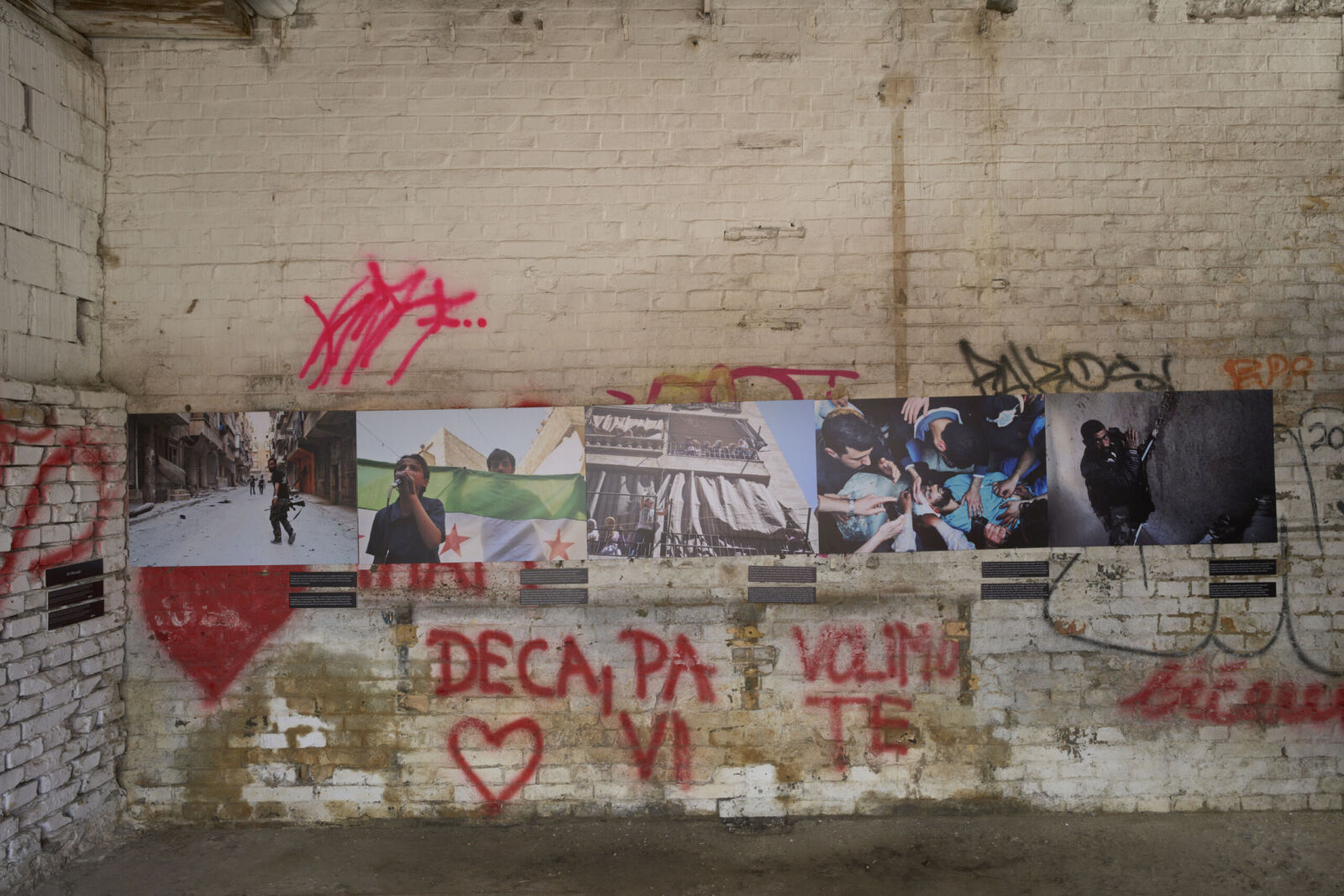
The fragile material, which partly consists of original works by stringers—freelance media workers in crisis areas – brings “their perspective on war, genocide, and revolutions—a perspective of those who are themselves unprotected; without a side in the conflict, without a nation, without a contract or religion, without an embassy or insurance”. Another part of the material includes stories left behind by some of them. This content demanded a careful integration into a cohesive whole and a presentation to the public at the designated location.
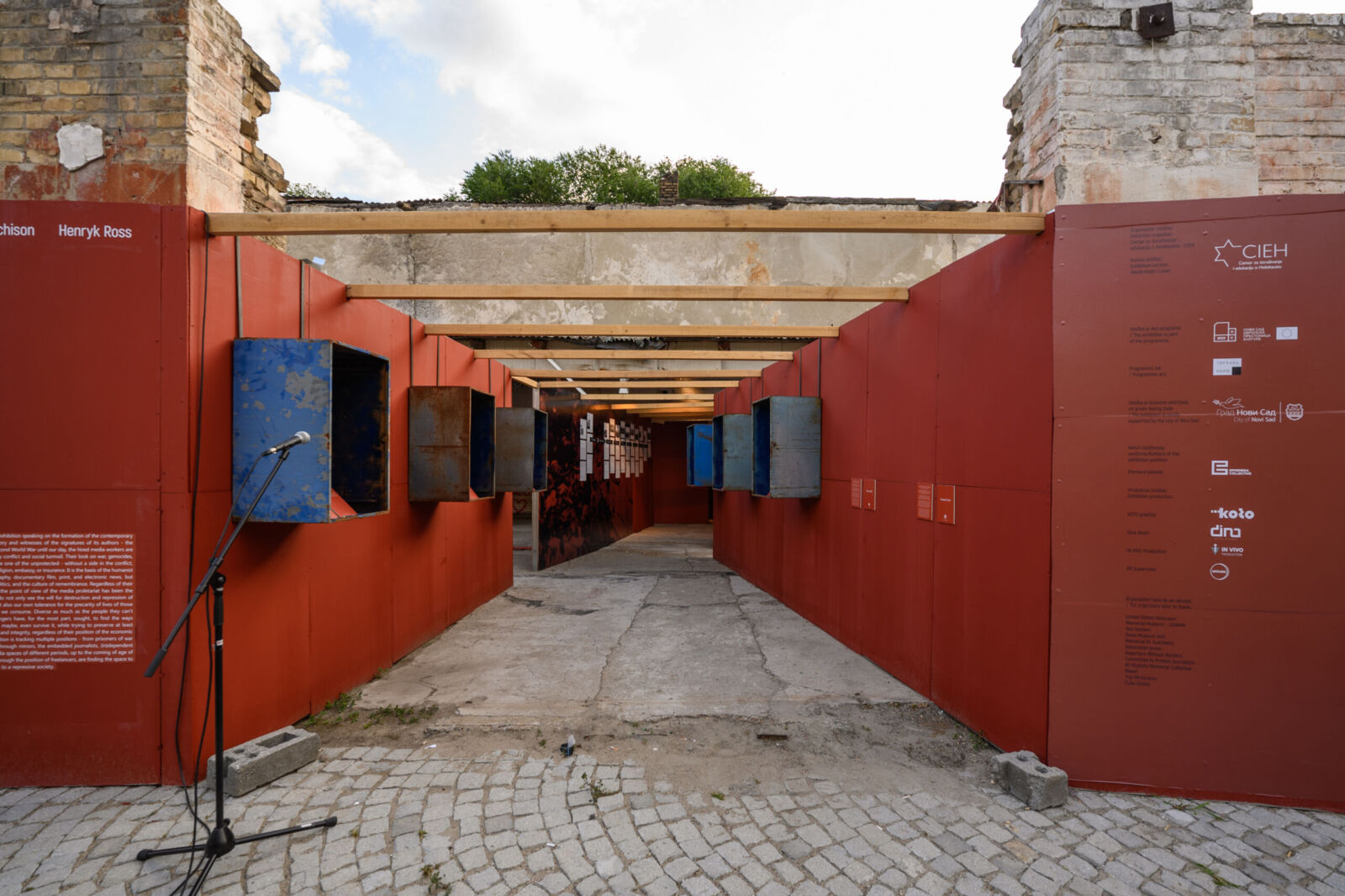
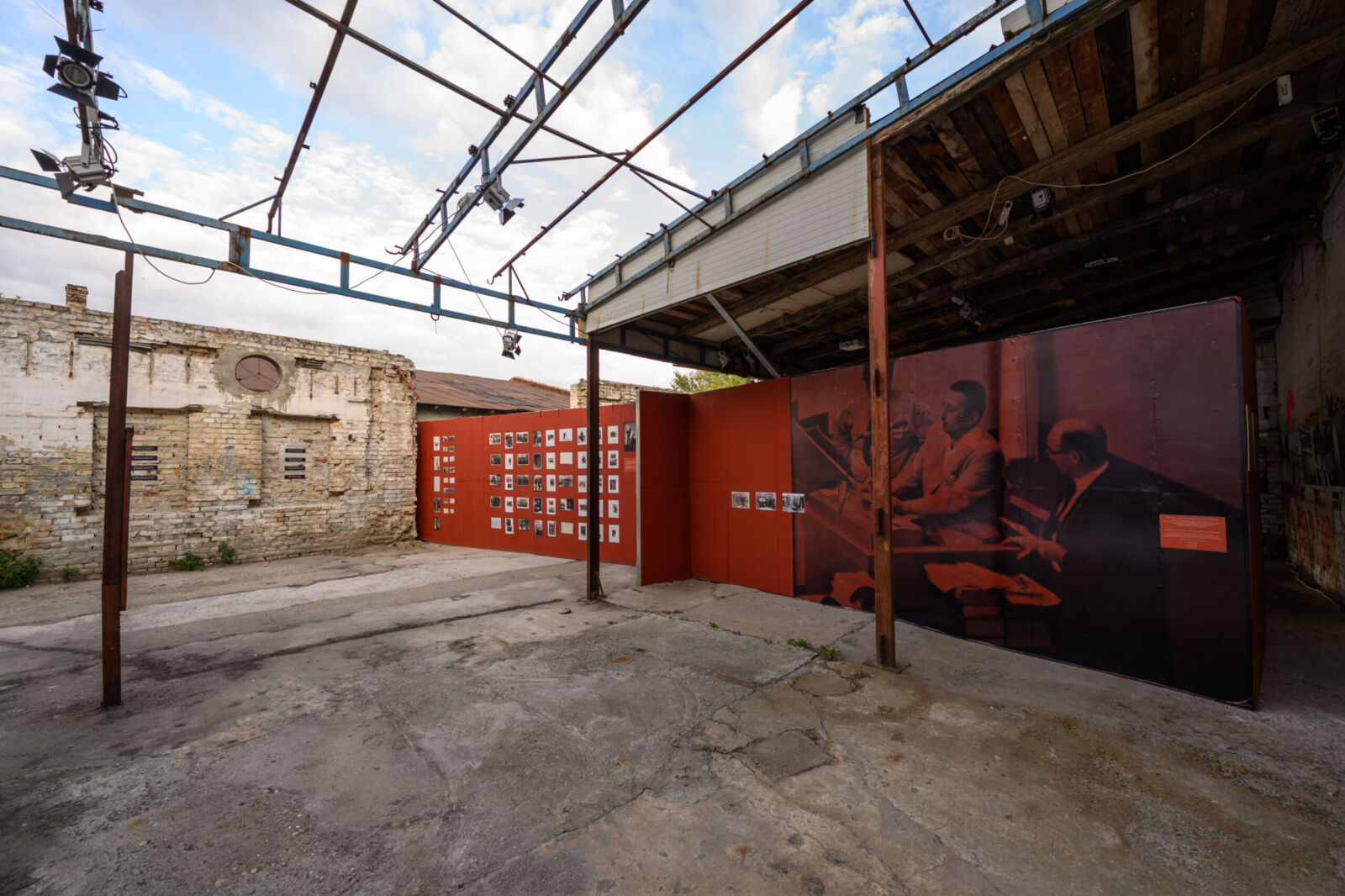
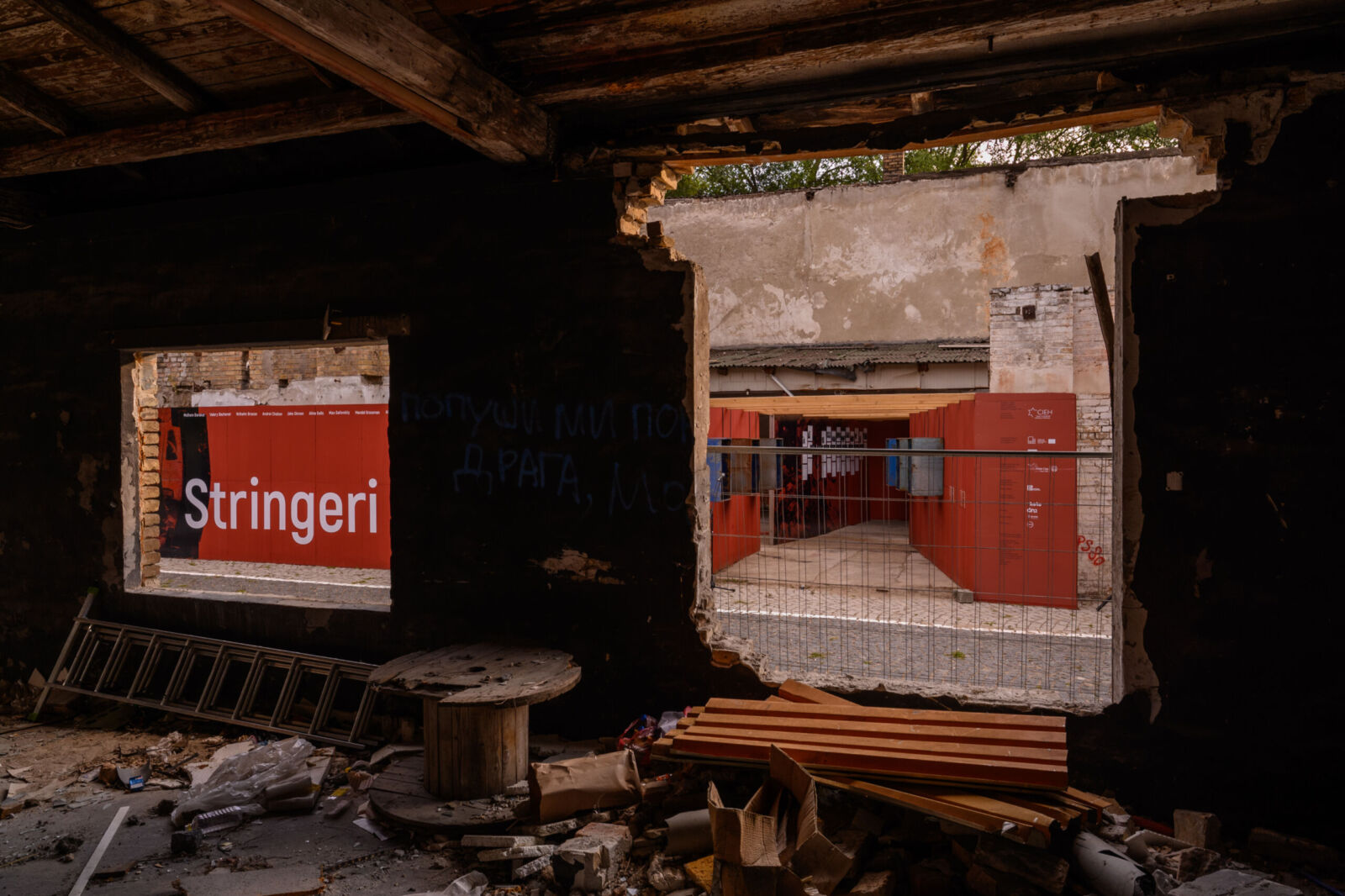
A new level of dialogue was established by overlapping the complex and sensitive exhibition material with the ruined space of the former “Petar Drapšin” factory (now part of the Creative District). This process was spatially determined through a site-specific architectural intervention – the one that emerged purely from the location’s condition; the one that resonates solely to that particular location and whose contextual dislocation would not be possible without compromising its achieved integrity and value. Following the “house within a house” model, the site-specific pavilion engaged in a dialogue with the existing primary structure of the ruin, enabling the realization of the exhibition within micro-environments shaped by this interaction.
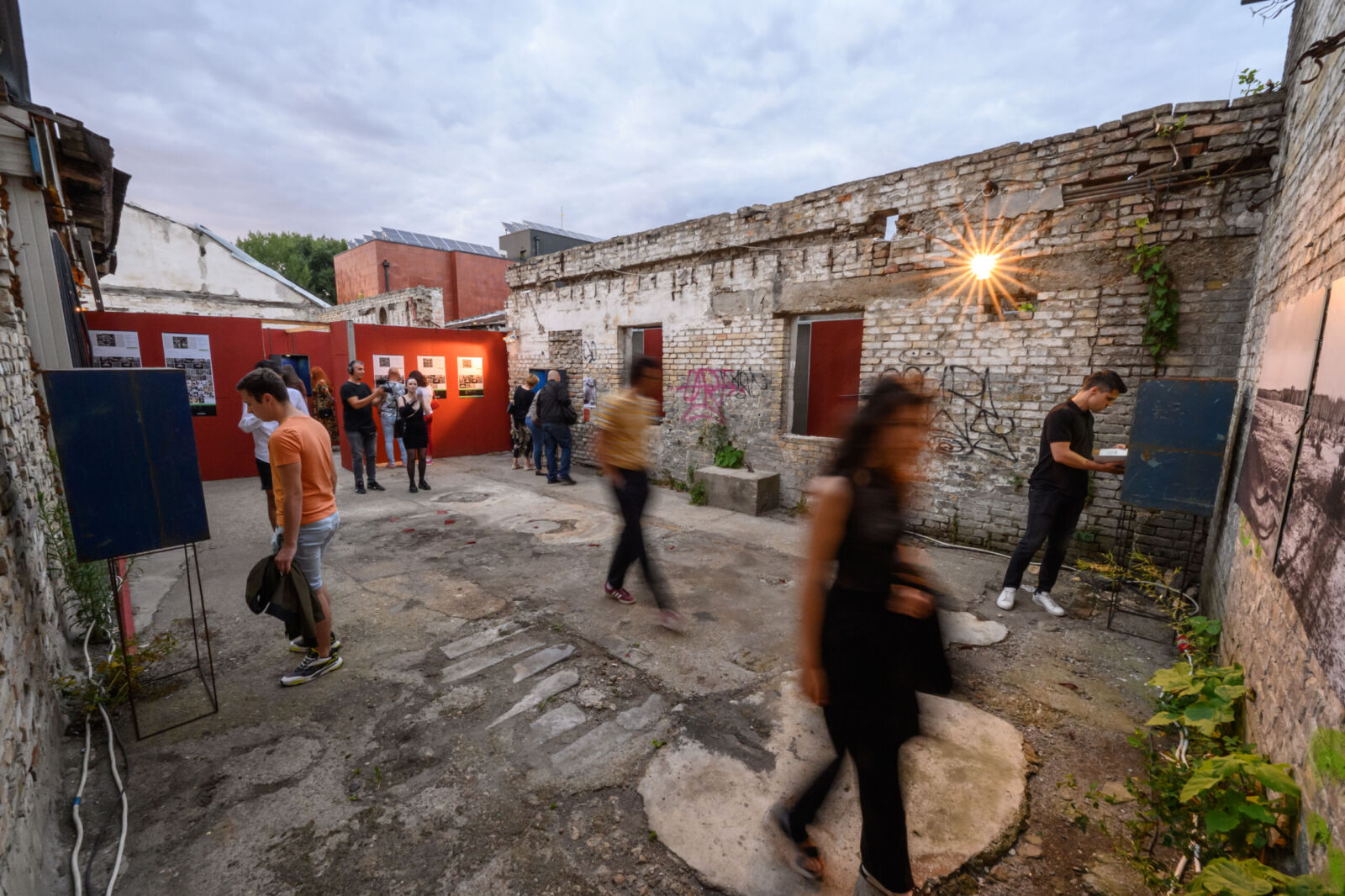
The unobstructed passage through five ambient units, based on and arranged according to a thorough study of stories about specific people—stringers—allowed exhibition visitors a direct and specific spatial framework for a deeper understanding of the narrative flow of the exhibition.
Microarchitecture, as the carrier of the macro idea in this project, enables multiple trans-categorical dialogues: the flowing space between interior and exterior, micro-urbanism through micro-environments, heritage preservation through the new ephemeral use of the deindustrialized part of the city, experimental and research work, and the search for an appropriate spatial response to the current issues of ongoing wars and the crises they cause.