Future modernities: Film Screening of Vitić Dances and Conversation with Boris Bakal
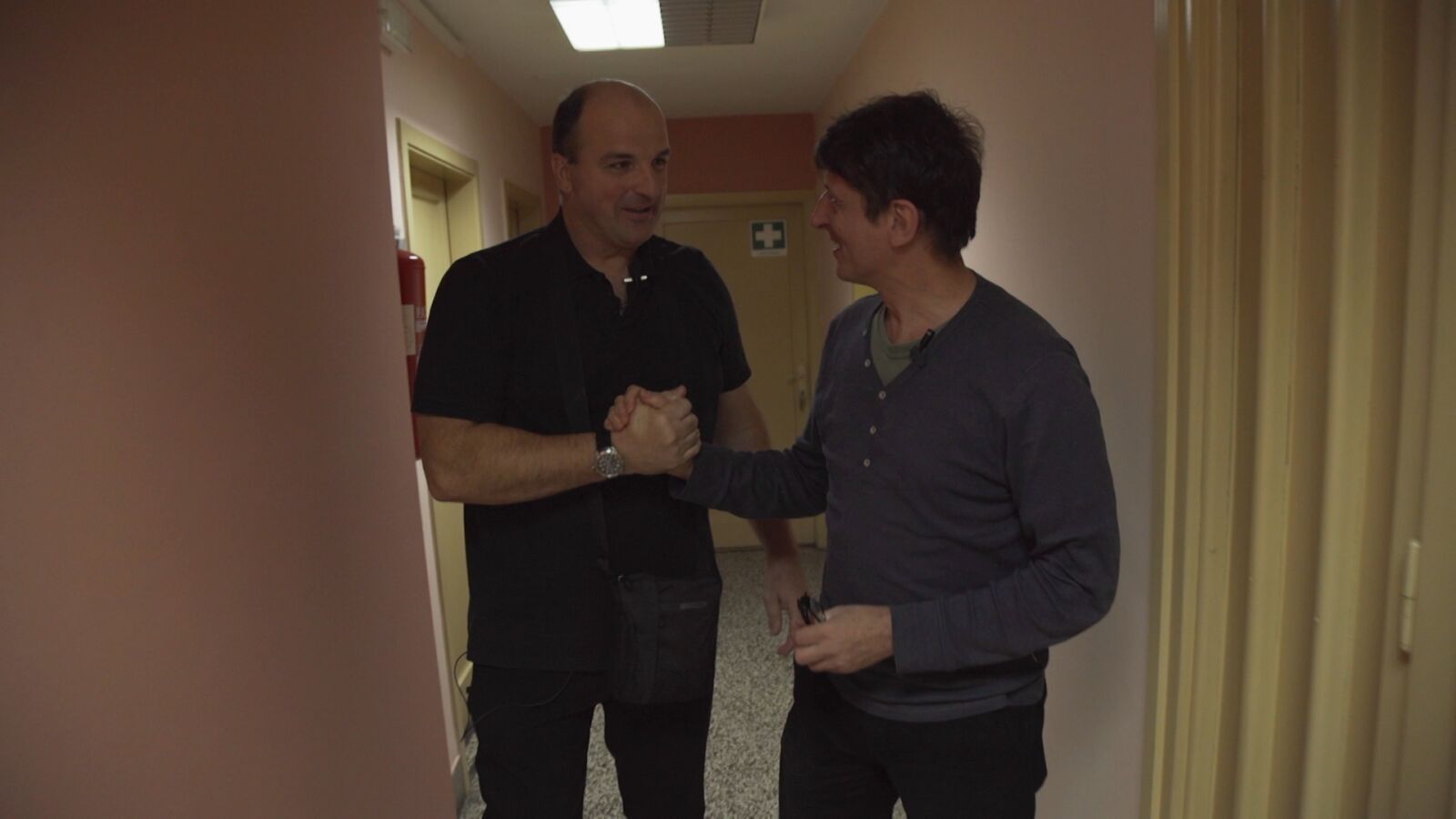
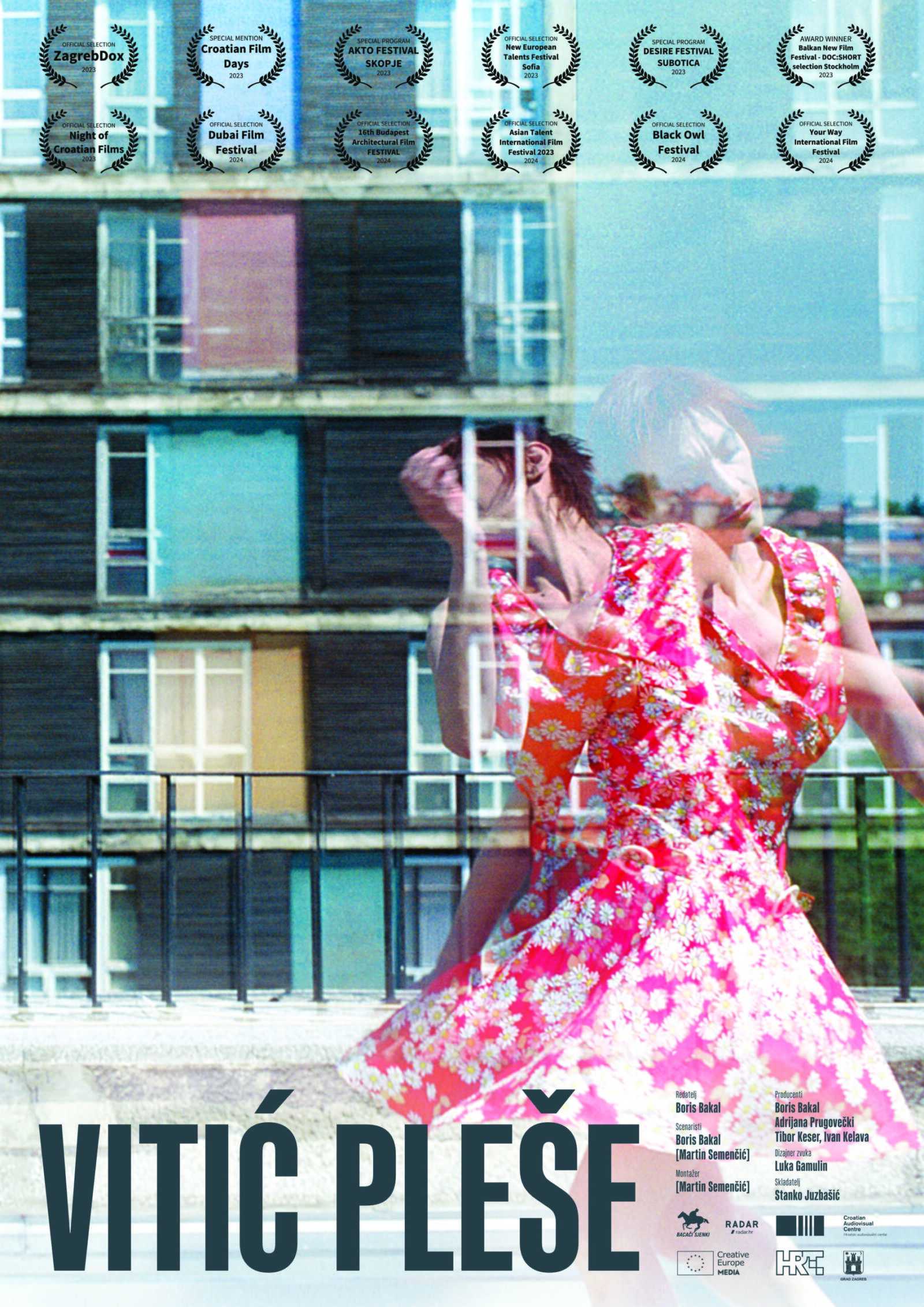
As part of the Future Modernities event series, BAZA hosted intermedia artist Boris Bakal (HR) in Novi Sad and organised a screening of his feature-length documentary film “Vitić Dances”.
The screening and conversation with the author took place on 15 November 2024 at the SPENS Amphitheatre. The discussion was moderated by Višnja Žugić.
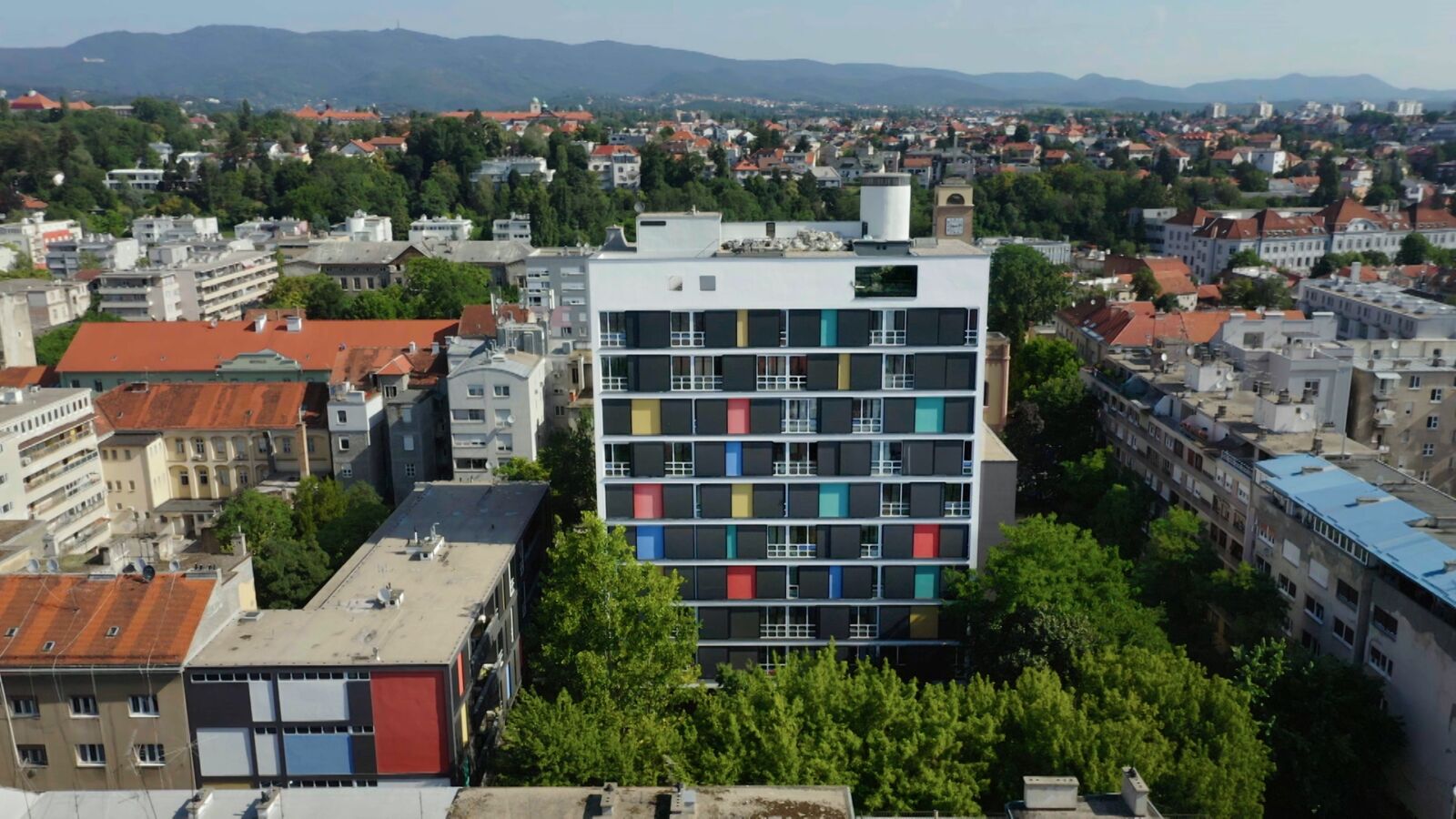
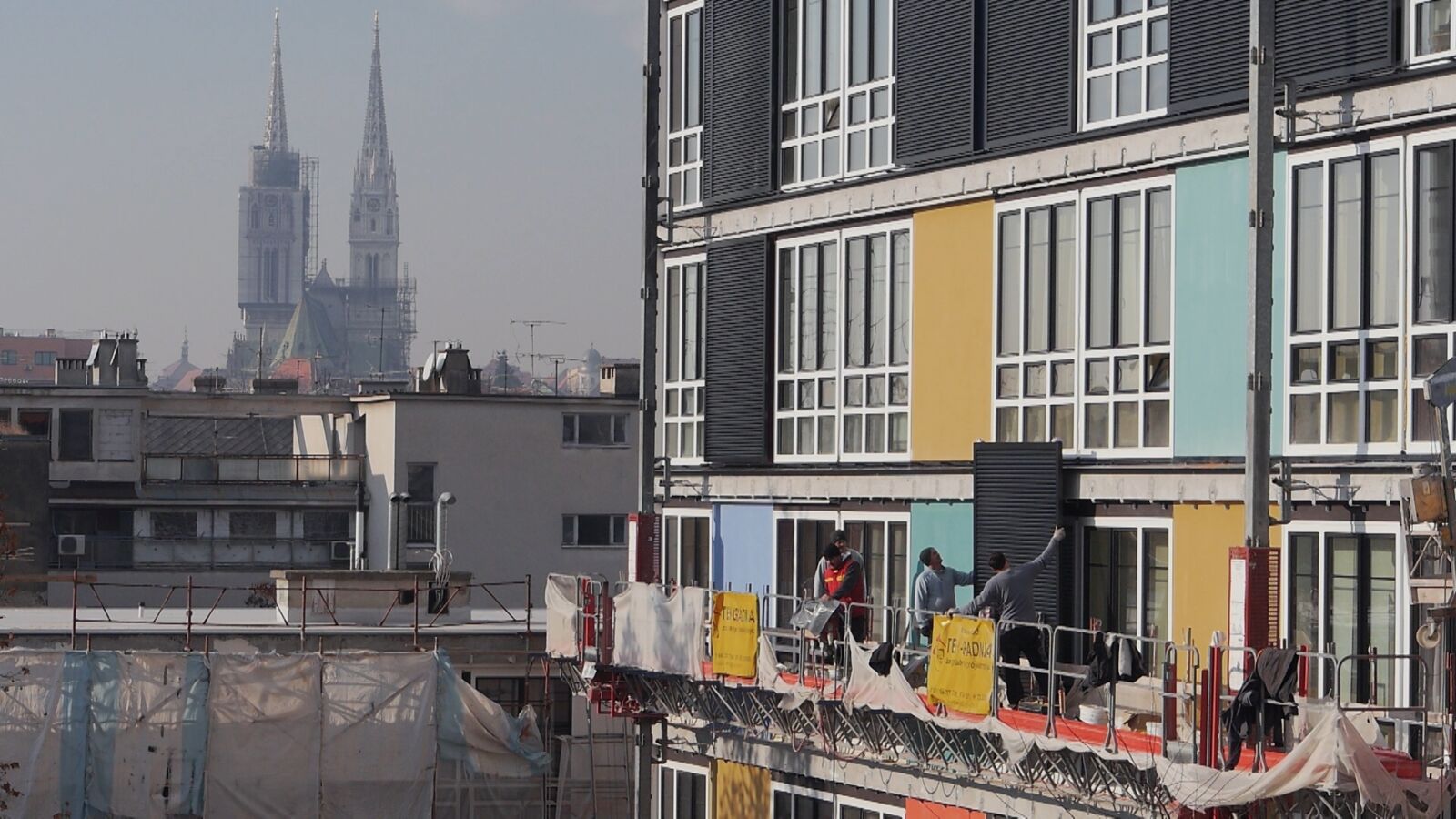
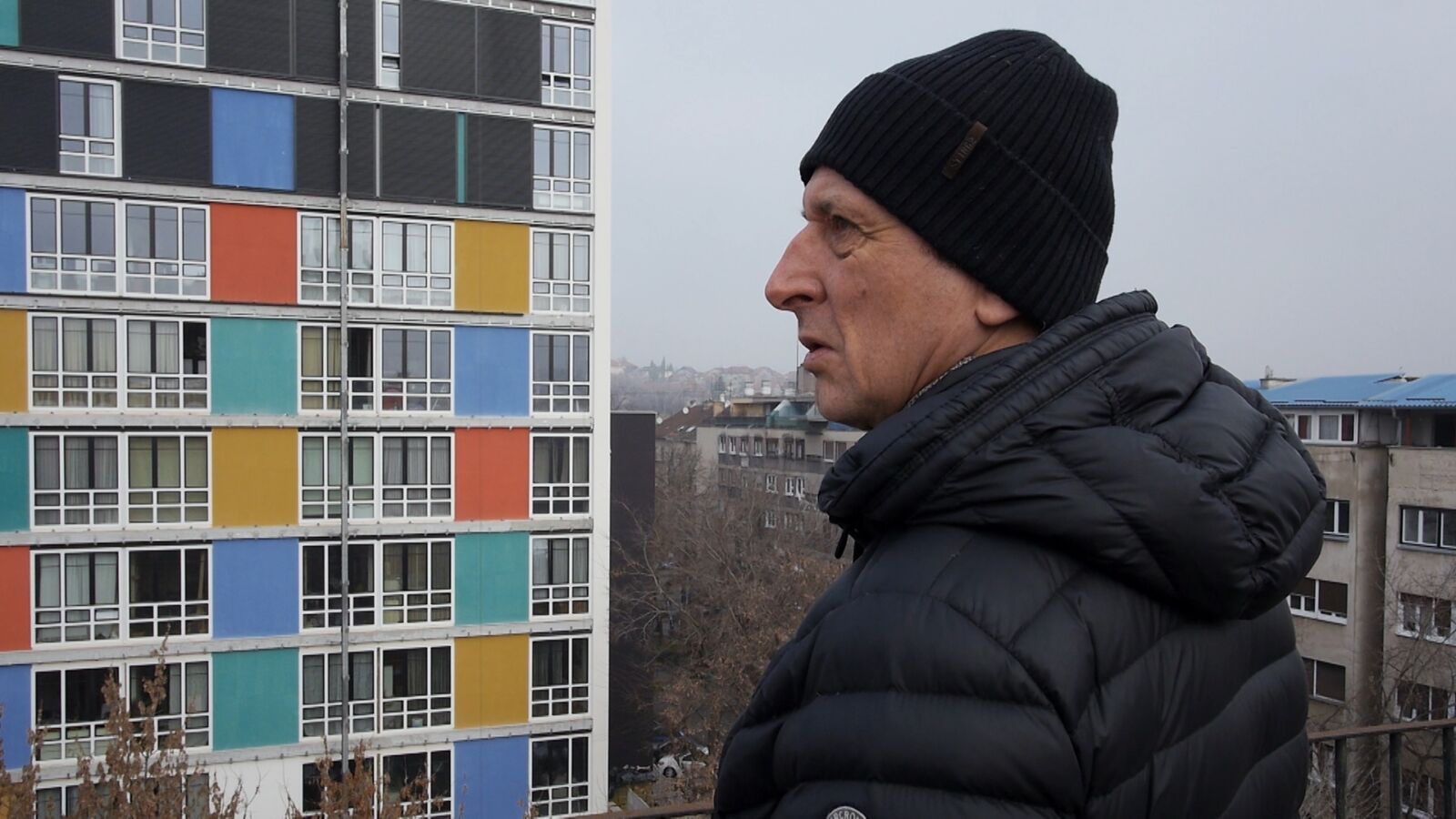
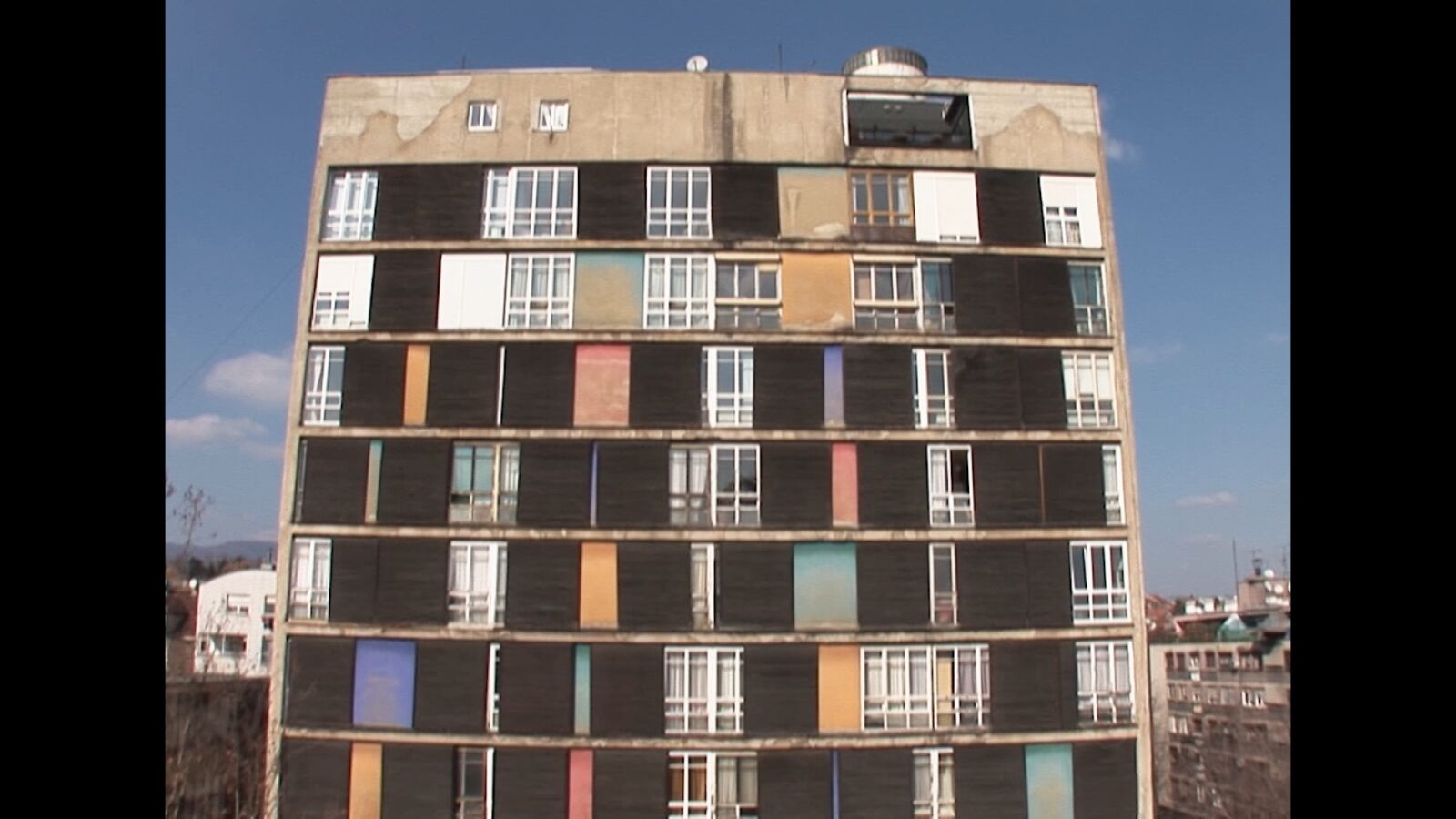
Vitić Dances follows the twenty-year struggle of Boris Bakal and the artistic organisation Shadow Casters (Bacači sjenki) to restore a multi-family housing building in Zagreb — a masterpiece of modernist architecture designed by Ivan Vitić. Through cooperation and conflict with the local community (co-owners and residents), the building becomes a metaphor for contemporary Croatian and European society, its dynamics, controversies and misconceptions. The film unfolds as a hypertextual narrative exploring the purpose and futility of individual engagement for the common good, the others within and around us, and the space in between.
(The film description is based on the official synopsis.)
The event addressed themes of modernist architectural heritage, with a particular focus on interdisciplinary approaches and long-term processes of care, advocacy and reconstruction. The screening in Novi Sad took place in a socially and spatially sensitive moment, further opening questions of heritage, memory and collective responsibility.
We would like to thank Boris Bakal, the audience, and the Sports and Business Centre of Vojvodina (SPENS) for their hospitality and for an inspiring and meaningful encounter.
About the Author
Boris Bakal is a theatre and film director, actor, intermedia artist, curator, writer, educator, advocate of modernist architectural heritage and public historian. Born in Zagreb (former SFR Yugoslavia; today Croatia/EU), he has realised numerous projects, performances, lectures, installations and multimedia works across more than 20 countries in Europe, Asia, Africa, Australia and the United States. His practice is marked by a strong interest in site- and time-specific research, architecture and social context, as well as participatory approaches in art and culture.