Chinese Quarter – Manual Museum of Forgotten Arts (M.F.A.M.)
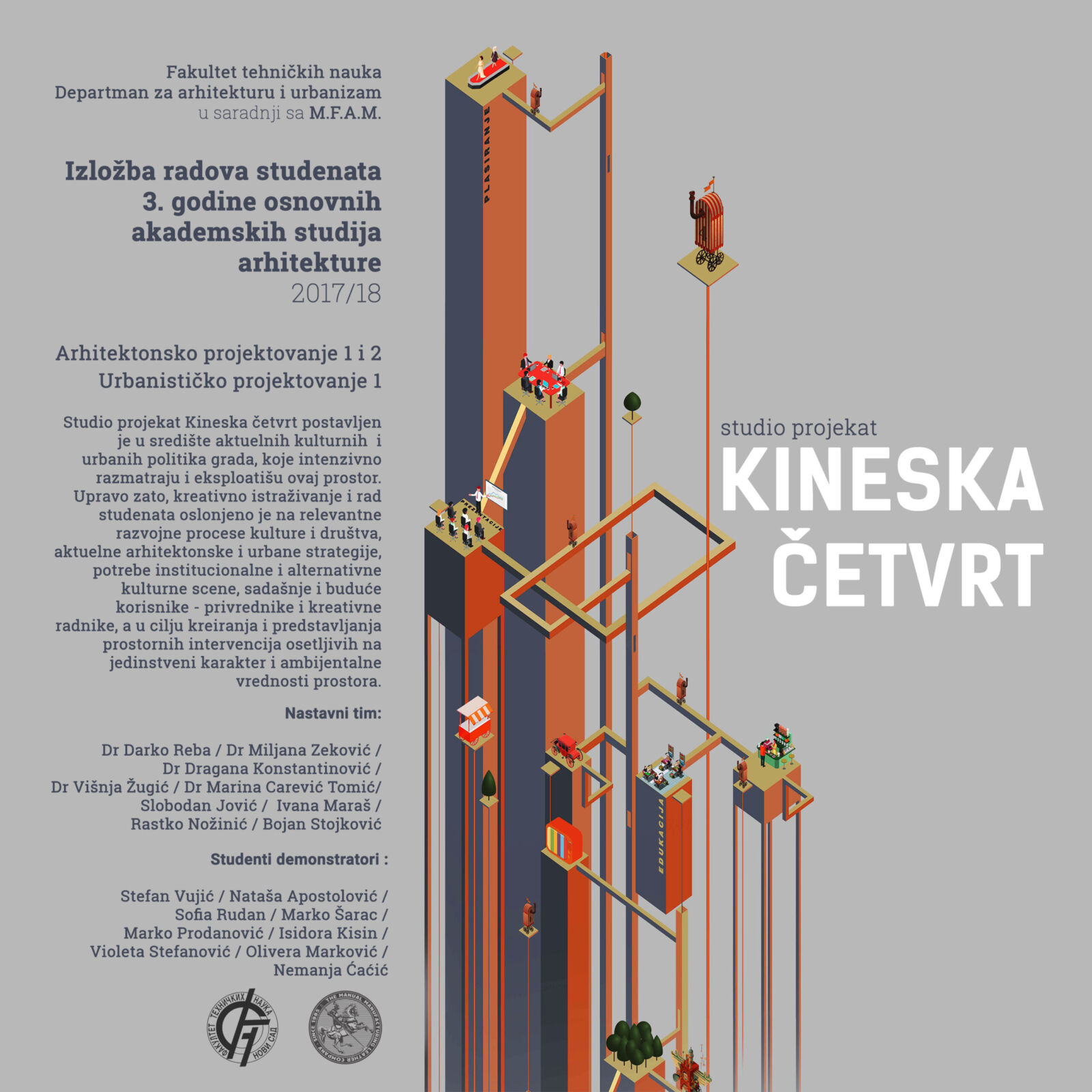
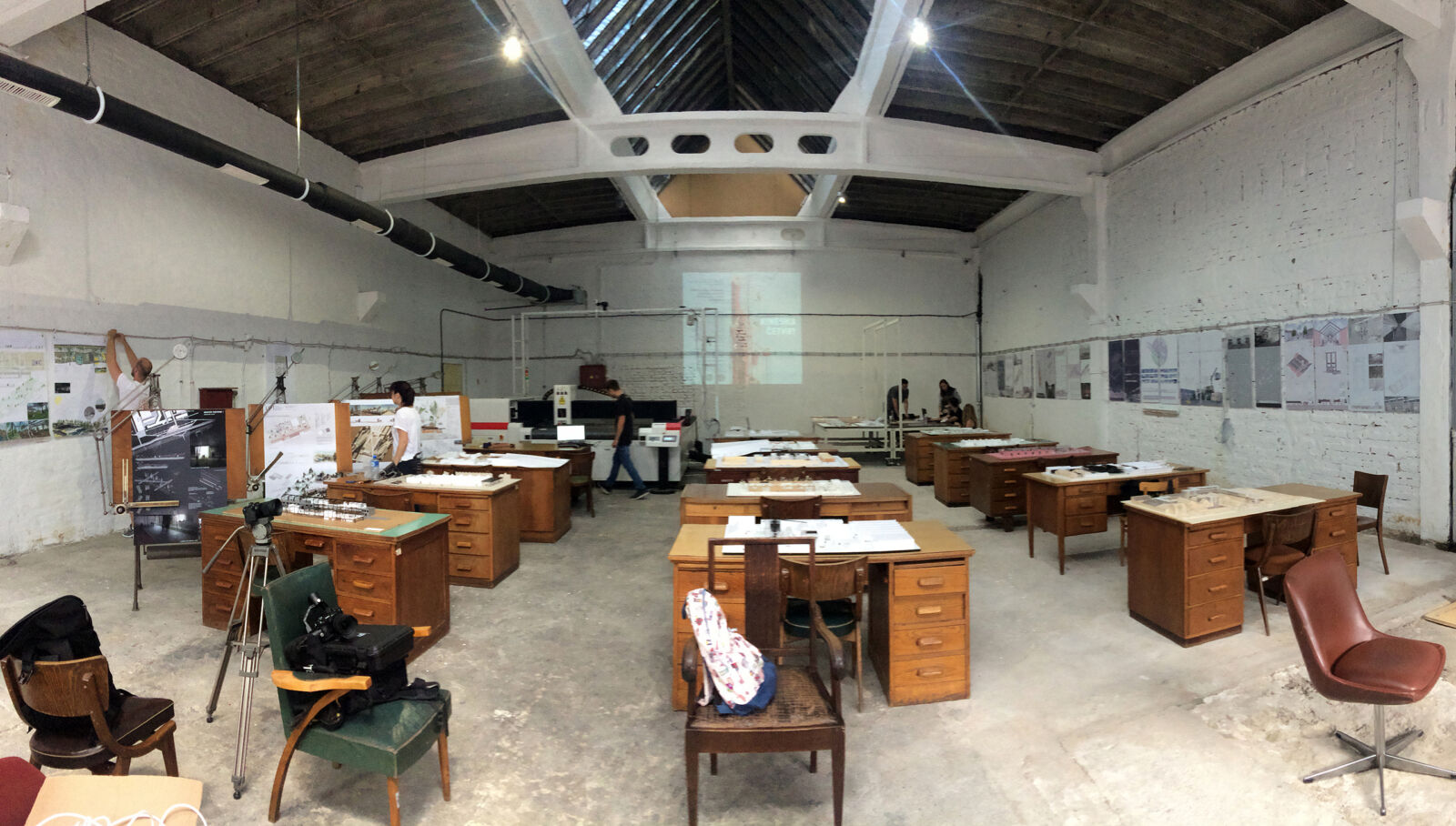
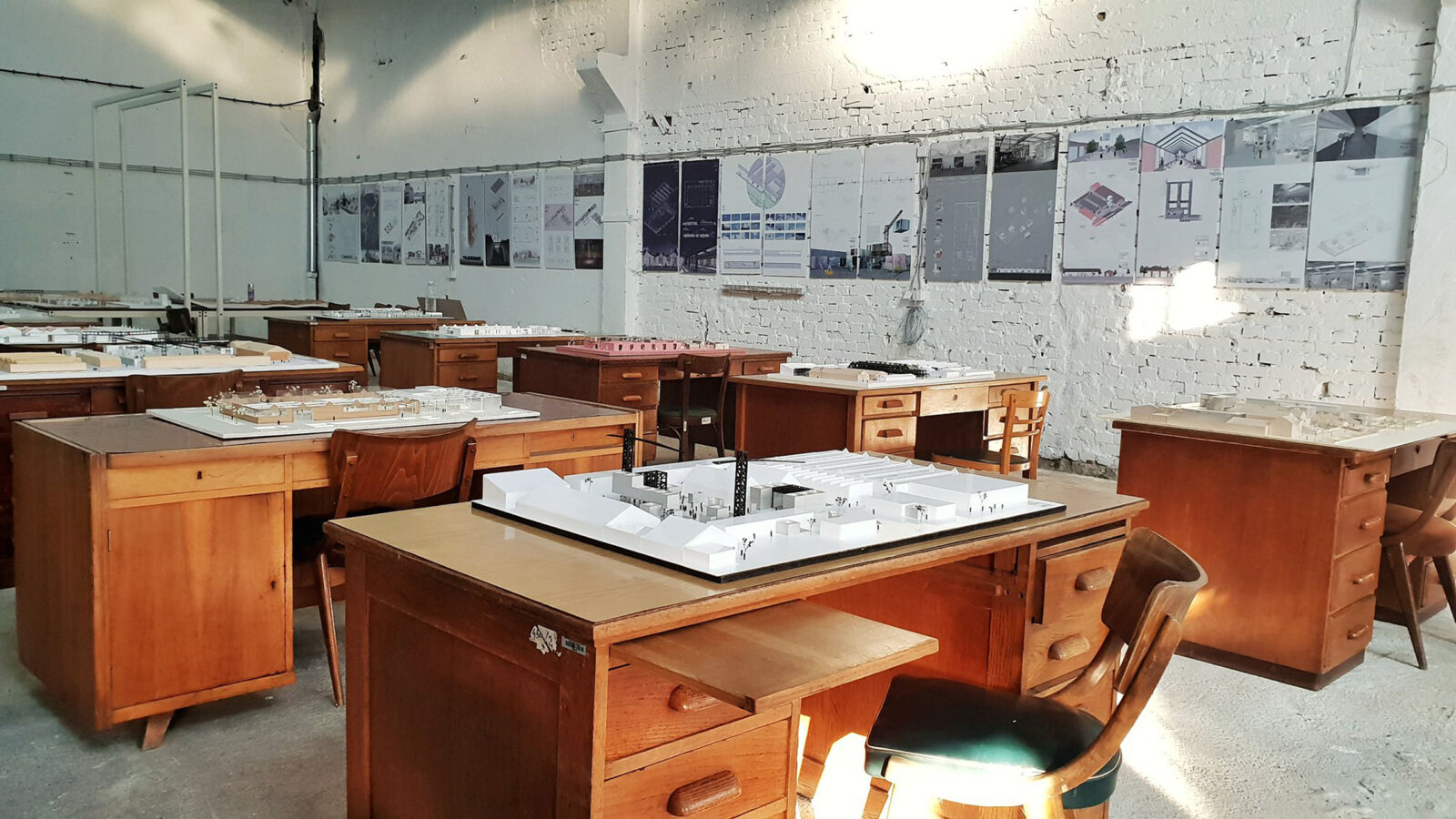
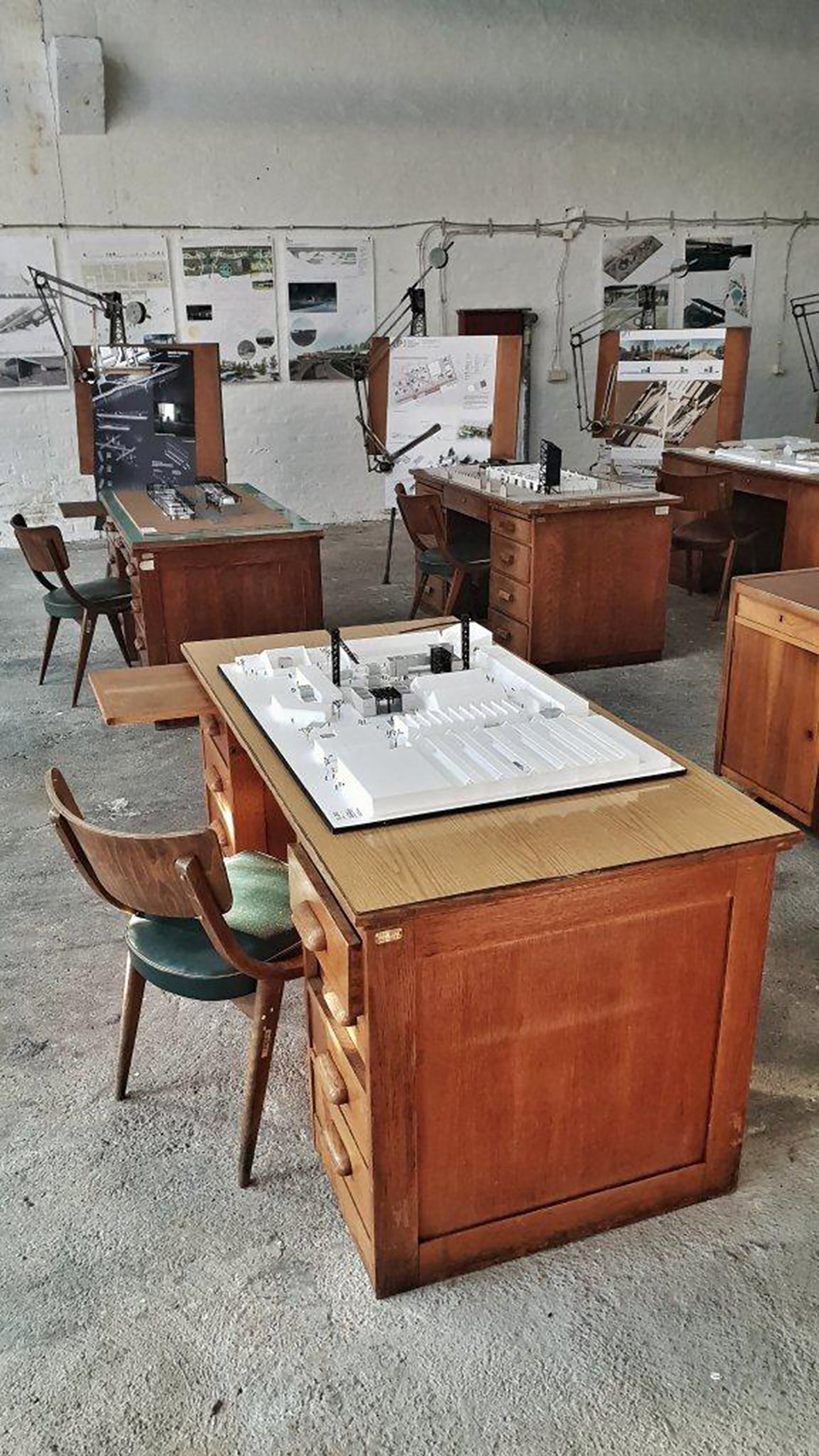
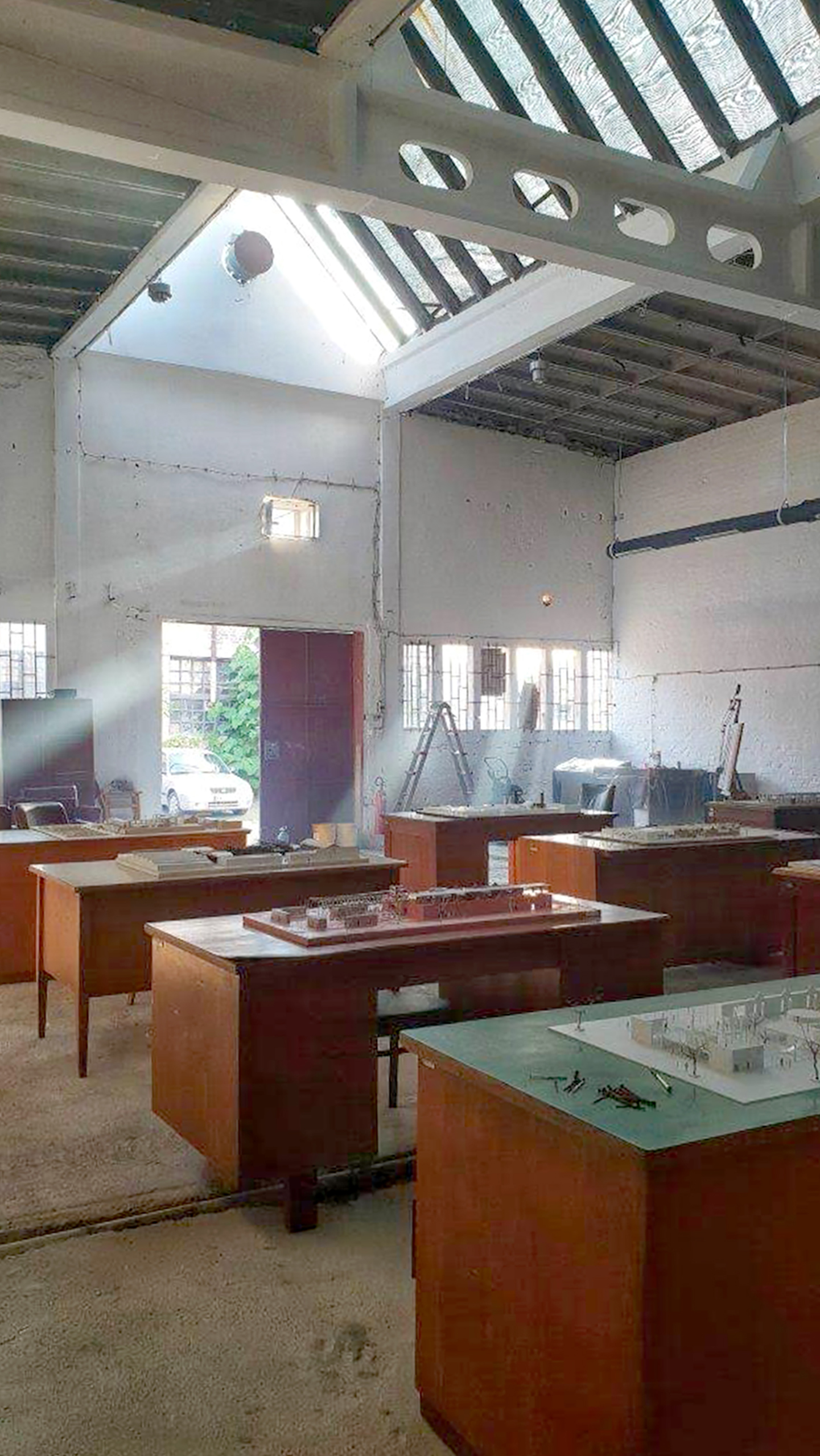
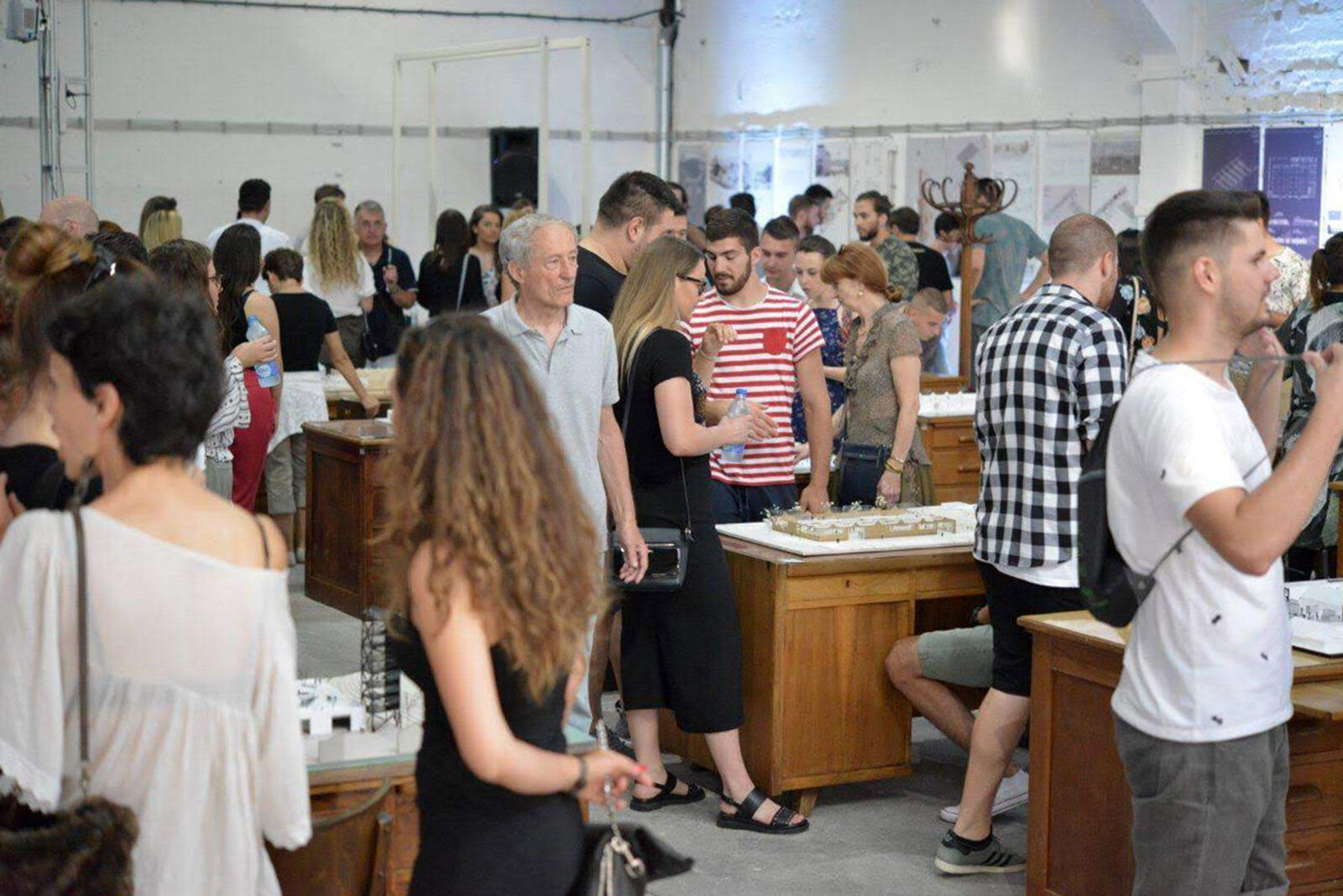
The exhibition showcasing the results of the Chinese Quarter studio project was held on June 21, 2018, at the Manual Museum of Forgotten Arts (M.F.A.M.). Conceived as an intensive, one-day spatially themed event, the exhibition presented the outcomes of a year-long studio process through panels and architectural models. Throughout the exhibition, the space also functioned as a workshop/architectural studio, where one of the explored architectural concepts was developed into a physical model.
The Chinese Quarter studio project was positioned at the intersection of the city’s contemporary cultural and urban policies, which actively engage with and reimagine this site. Accordingly, the students’ creative research and architectural work were anchored in relevant cultural and societal development processes, current architectural and urban strategies, as well as the needs of institutional and alternative cultural scenes. The project also considered the present and future users—entrepreneurs and creative professionals—aiming to propose spatial interventions that respond sensitively to the unique character and ambient values of the site.
The central theme explored throughout the academic year was the concept of the “Creative Condenser”, an architectural response to the continually evolving cultural dynamics and socio-spatial demands of the city. The research framework focused on the evolution of public cultural buildings, particularly cultural centers, which have transformed from traditional Houses of Culture into cultural hybrids through a series of adaptive processes. By introducing micro-cultural programs within a single site, where diverse social groups converge, new, unanticipated, and organically evolving programs emerge. These activities take place in abandoned industrial structures, ephemeral new spatial configurations, and interstitial urban voids, all characterized by fluidity, transformation, and the continuous flow of creative energy. The spatial and programmatic dynamics of such a complex determine its atmospheric identity, ultimately defining the site as a Cultural Condenser.
The focus of the research was the former “Petar Drapšin” factory in Novi Sad, once a manufacturer of fastening elements and precision machine components, widely known as the Chinese Quarter (part of Liman III, adjacent to the Liberty Bridge). The deindustrialization of this area resulted in a landscape of vacant factory halls, small-scale production facilities, and ancillary structures, which, in the early 2000s, became the setting for the city’s first alternative cultural revival. Despite multiple attempts to reprogram and redefine this well-known urban district, its function remains unresolved, yet it has organically evolved into a key cultural hub for the city’s youth, who seek to shape and articulate their creative and cultural expressions within this space.
The Manual Museum of Forgotten Arts (M.F.A.M.), the Student Cultural Center “Fabrika,” Firchie Think Tank Studio, and the Social Center (DC) are among the key cultural entities currently operating within this space, coexisting alongside artisans and small businesses. However, these entities function independently, without clear programmatic interconnections or the emergence of new hybrid spaces that could generate further cultural and social activities.
The Chinese Quarter studio project was conducted within the Architectural Design 1 and Architectural Design 2 courses during the 2017/2018 academic year.