Biennale Architettura – TERRAM INTELLIGERE: INTERSTITIUM
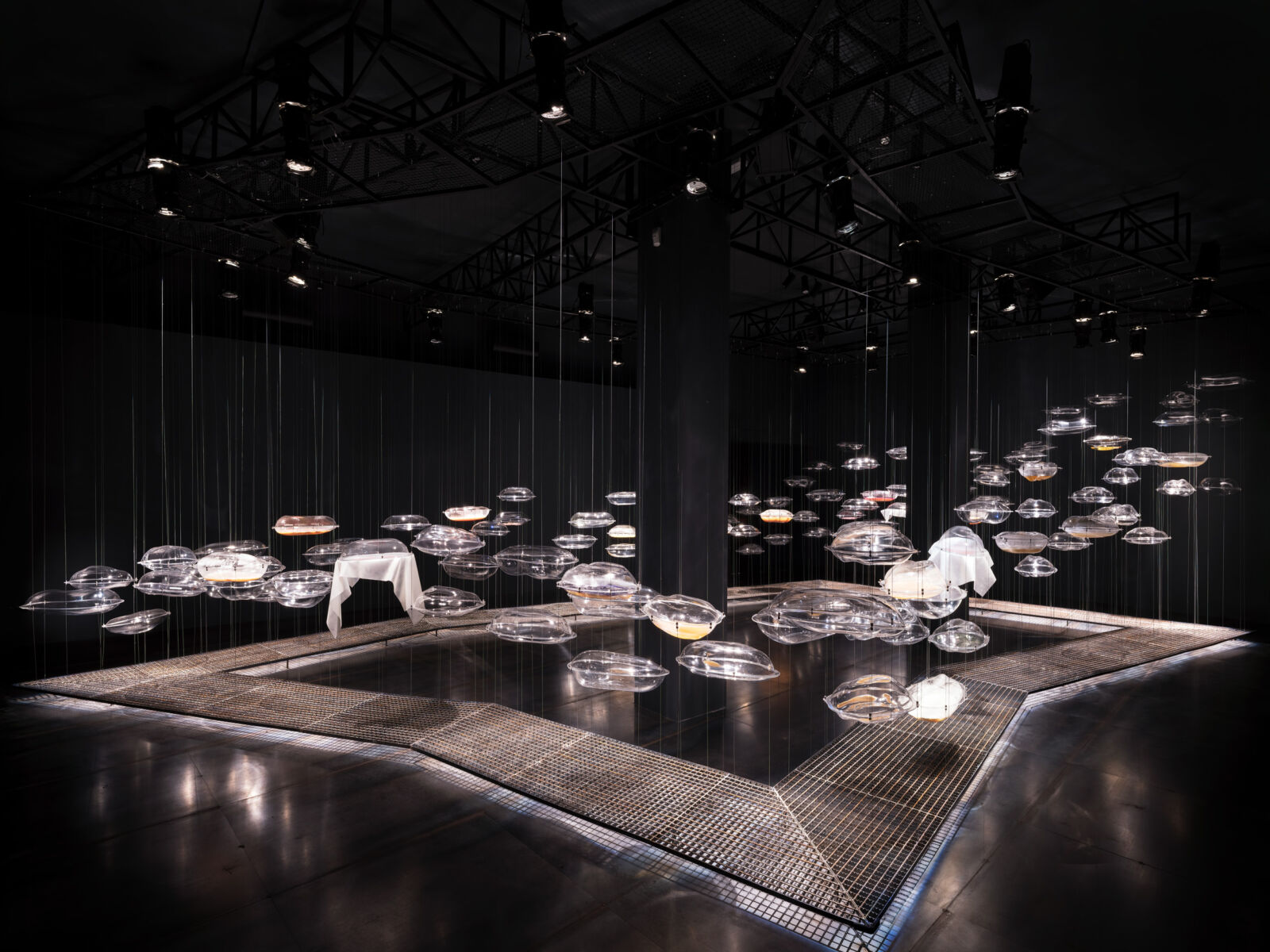
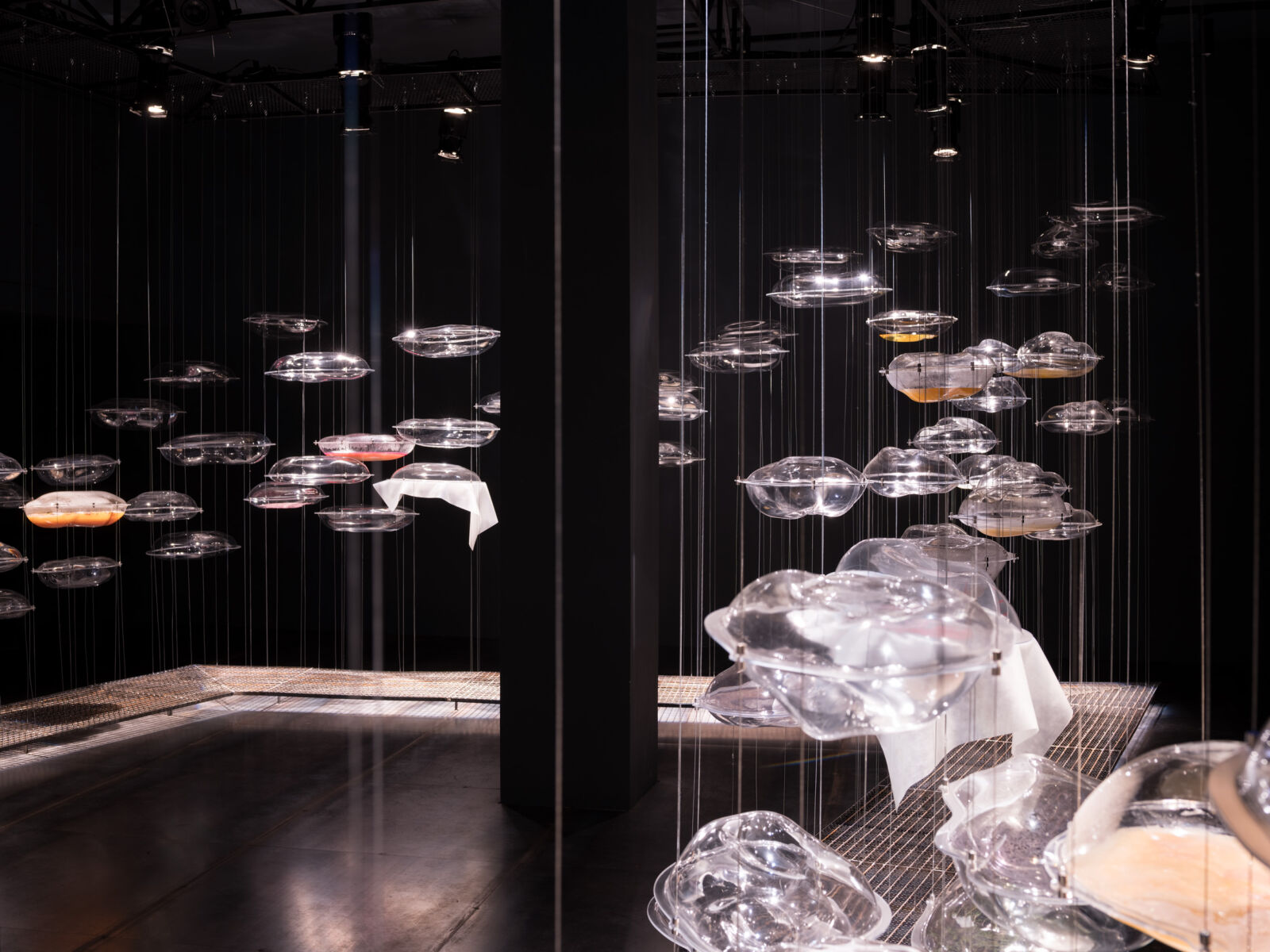
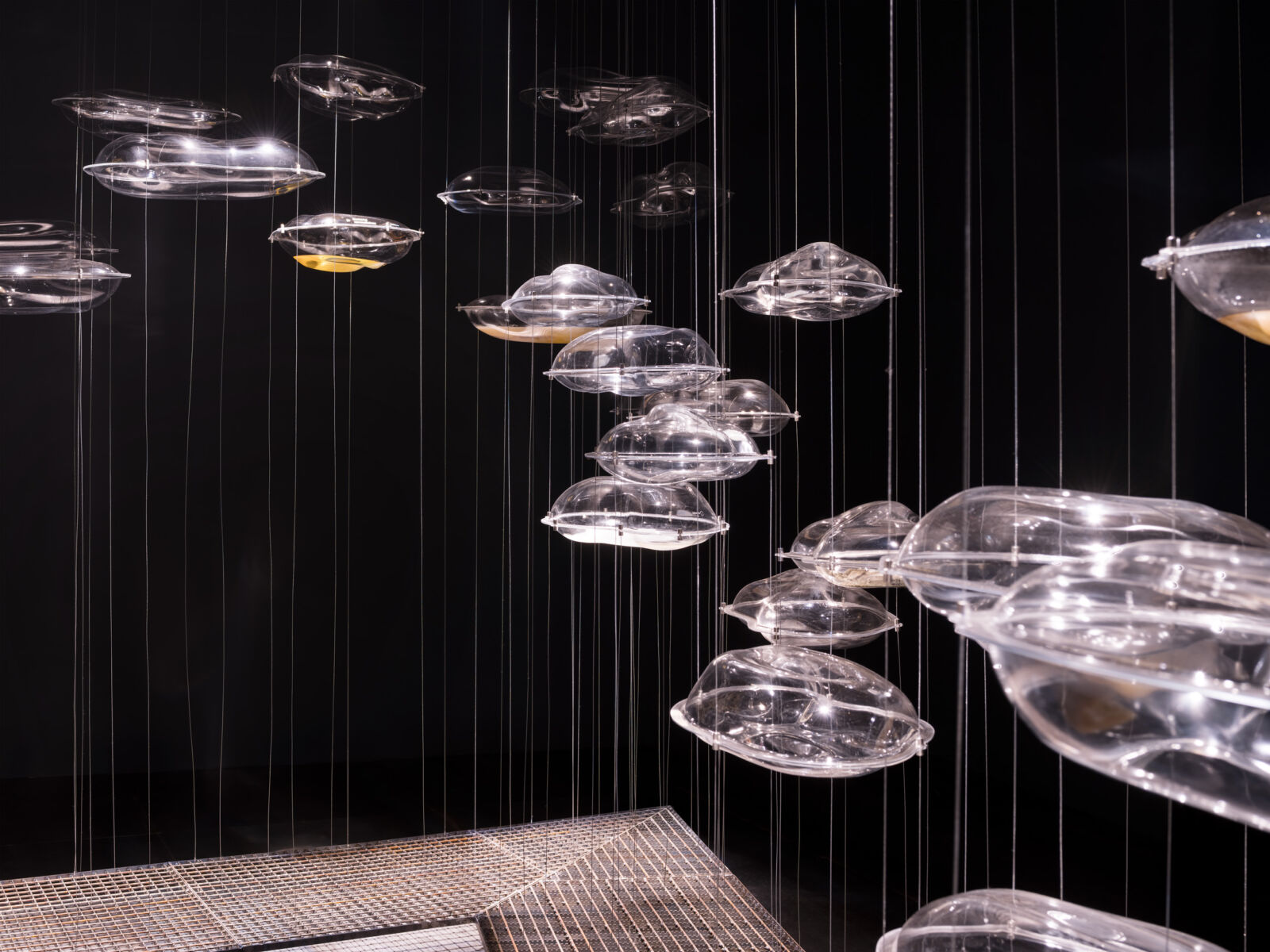
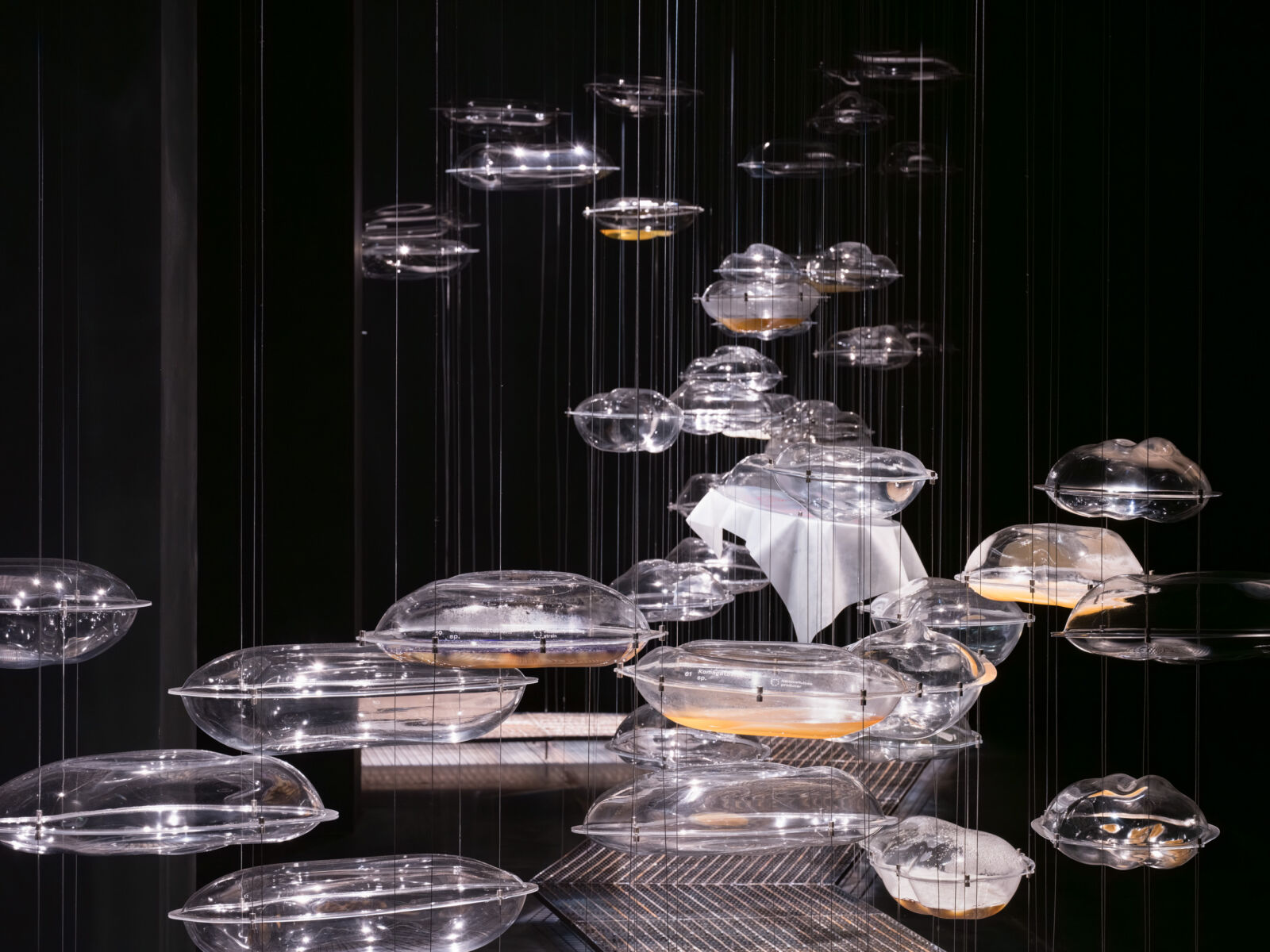
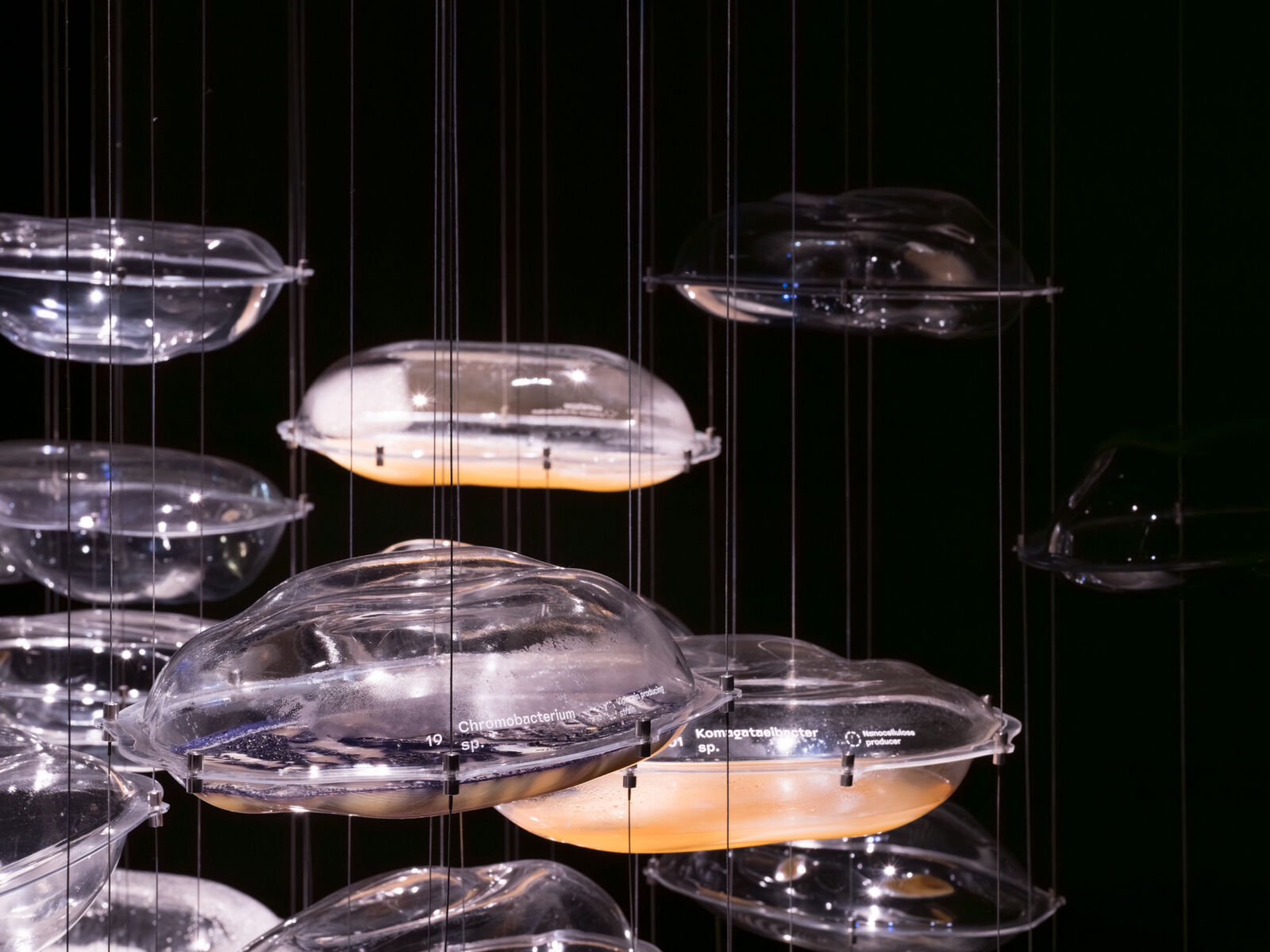
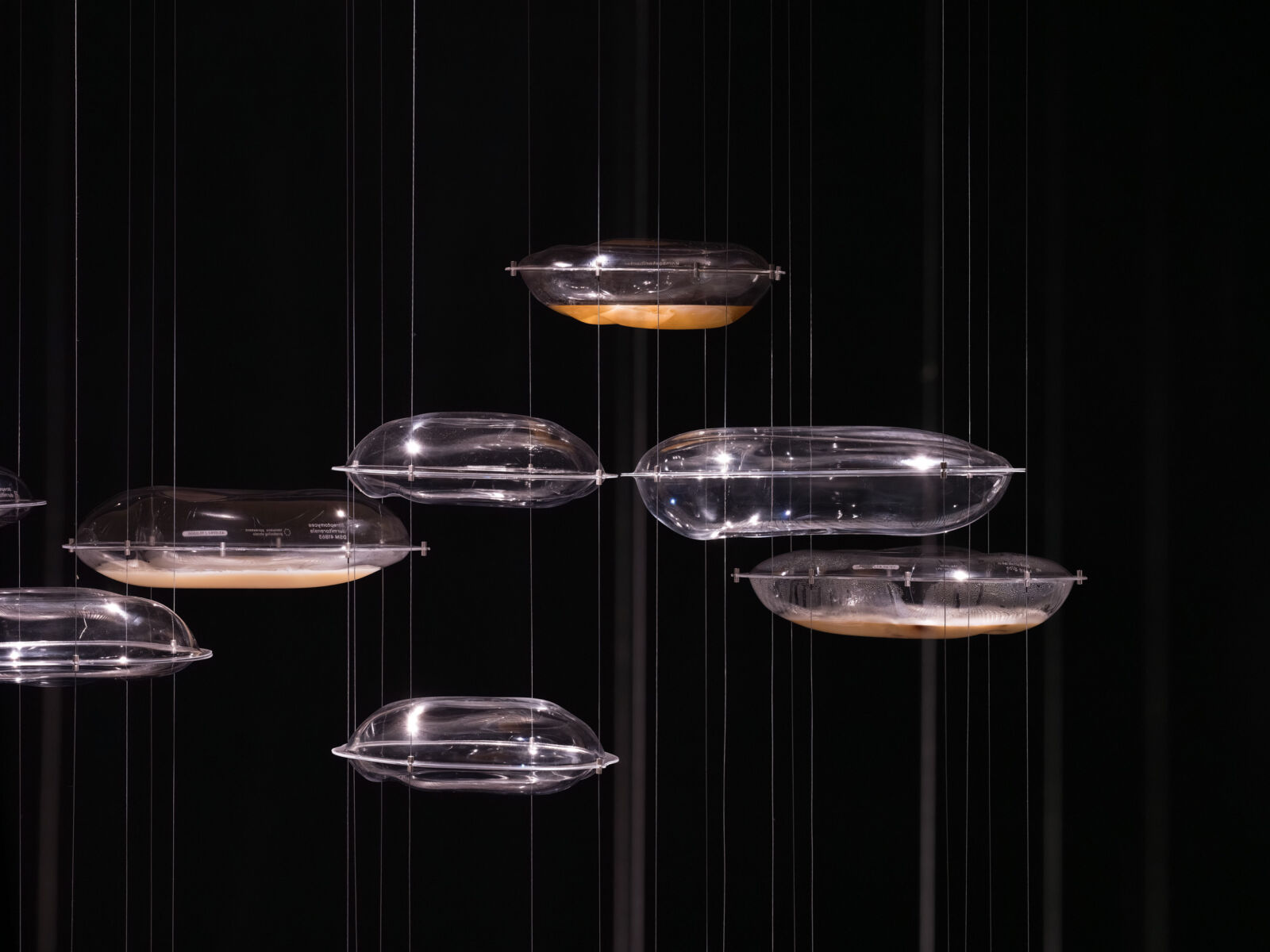
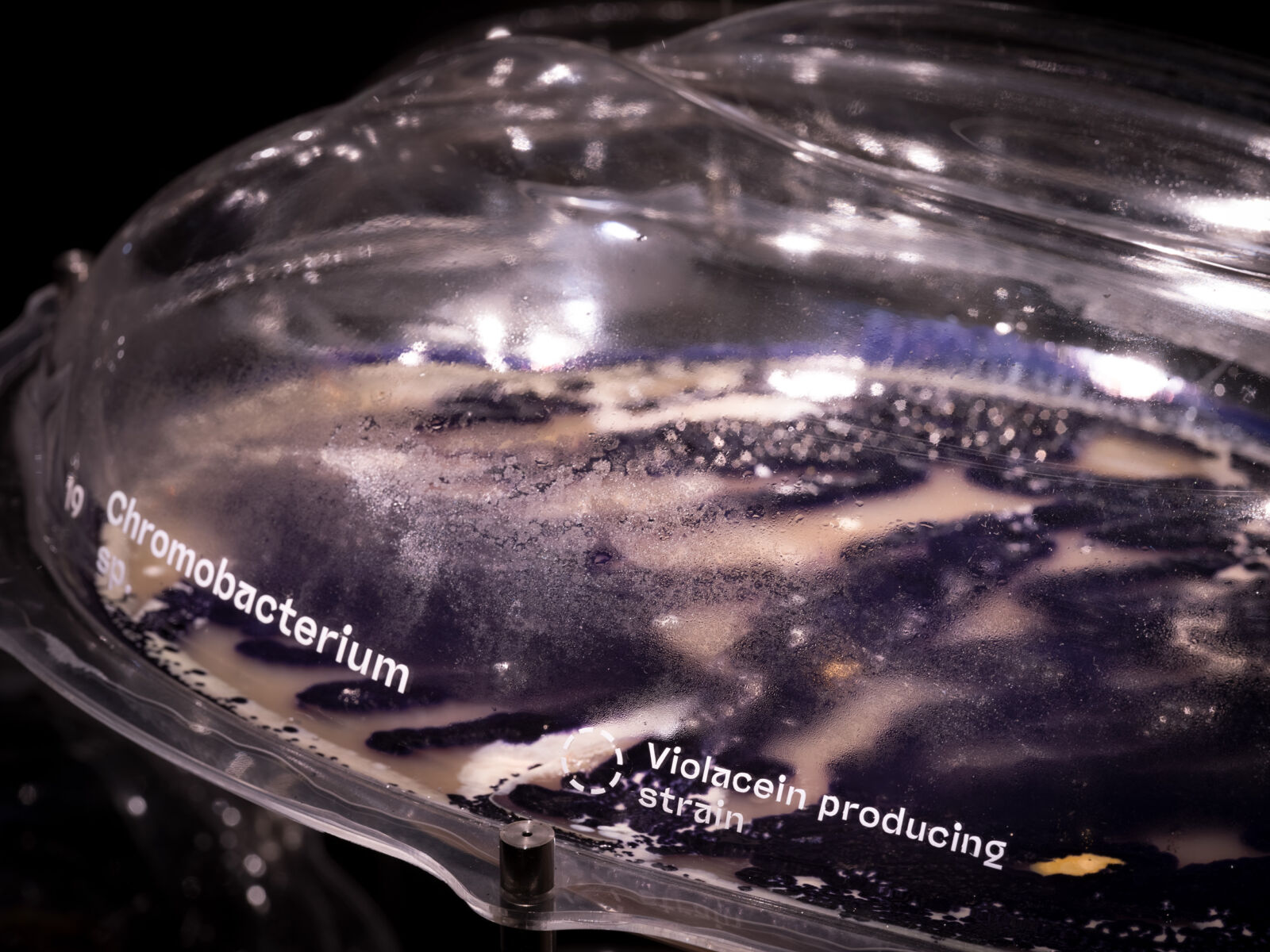
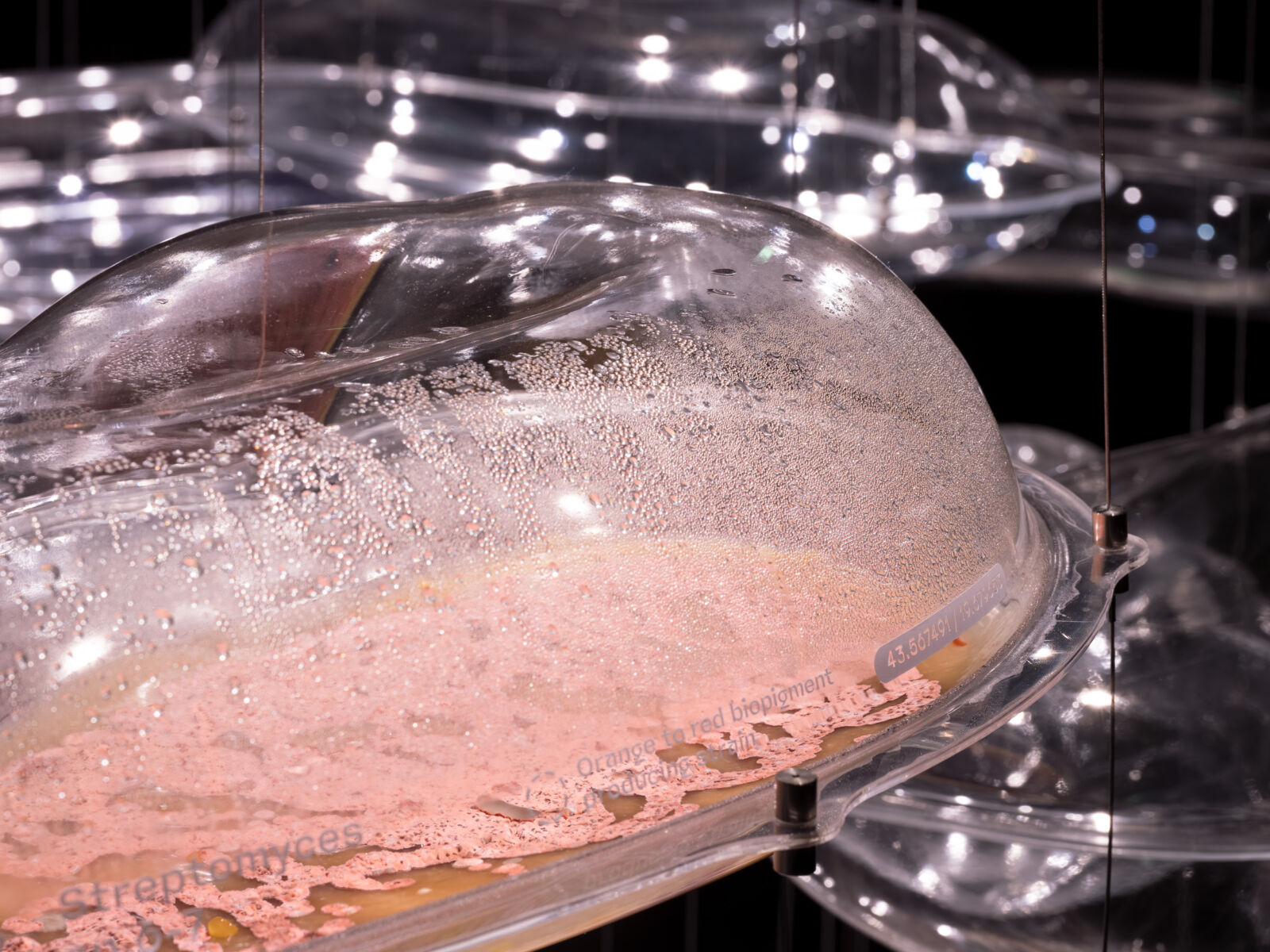
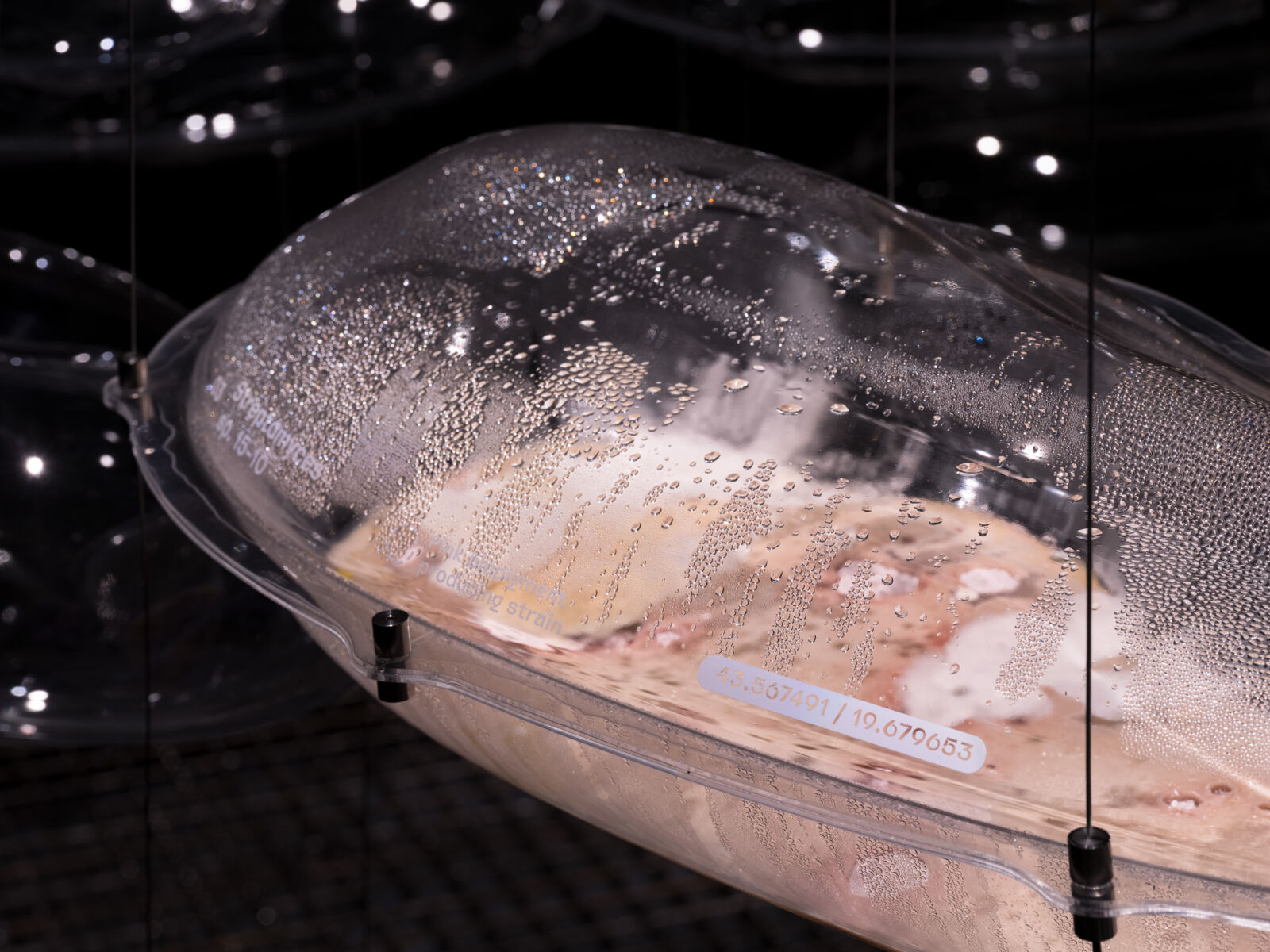
Montenegro’s national pavilion, Terram Intelligere: INTERSTITIUM, explores the potential of living systems as active agents in architectural thinking. Conceived as a living laboratory, the installation presents translucent polycarbonate structures inhabited by microbial cultures derived from Montenegrin soil. These microorganisms respond to environmental stimuli – light, temperature, humidity – by producing pigments and forming spatial patterns, offering a new model of architecture that is adaptive, relational, and alive.
Set in Campo San Lorenzo, outside the Biennale’s main exhibition zones, the pavilion invites visitors into a slower temporal space – one that unfolds through collaboration between human and nonhuman actors. Rooted in scientific research and curatorial practice, Terram Intelligere challenges conventional understandings of design, authorship, and material agency, proposing a shift from building on the land to building with it.
The project is the laureate of the MICROMACRO award in the category of Science, Technology, and Architecture, granted at the STRAND OA2025 – 13th International Conference and Exhibition ‘On Architecture – Crosscutting and Fusion of Disciplines,’ hosted by the Serbian Academy of Sciences and Arts and the Gallery of Science and Technology in Belgrade in 2025. https://www.strand.rs/2025-micromacro-awards/
…
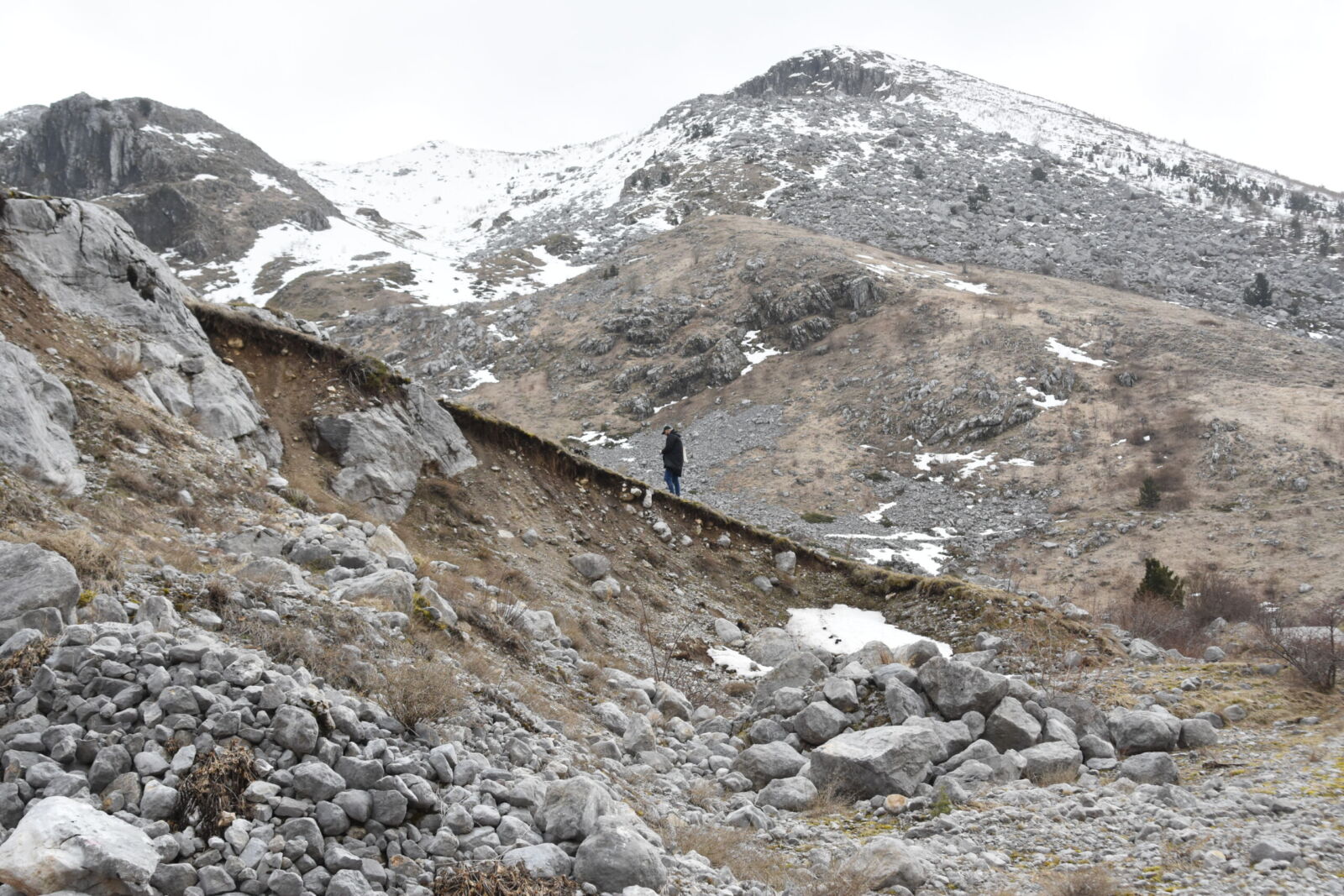
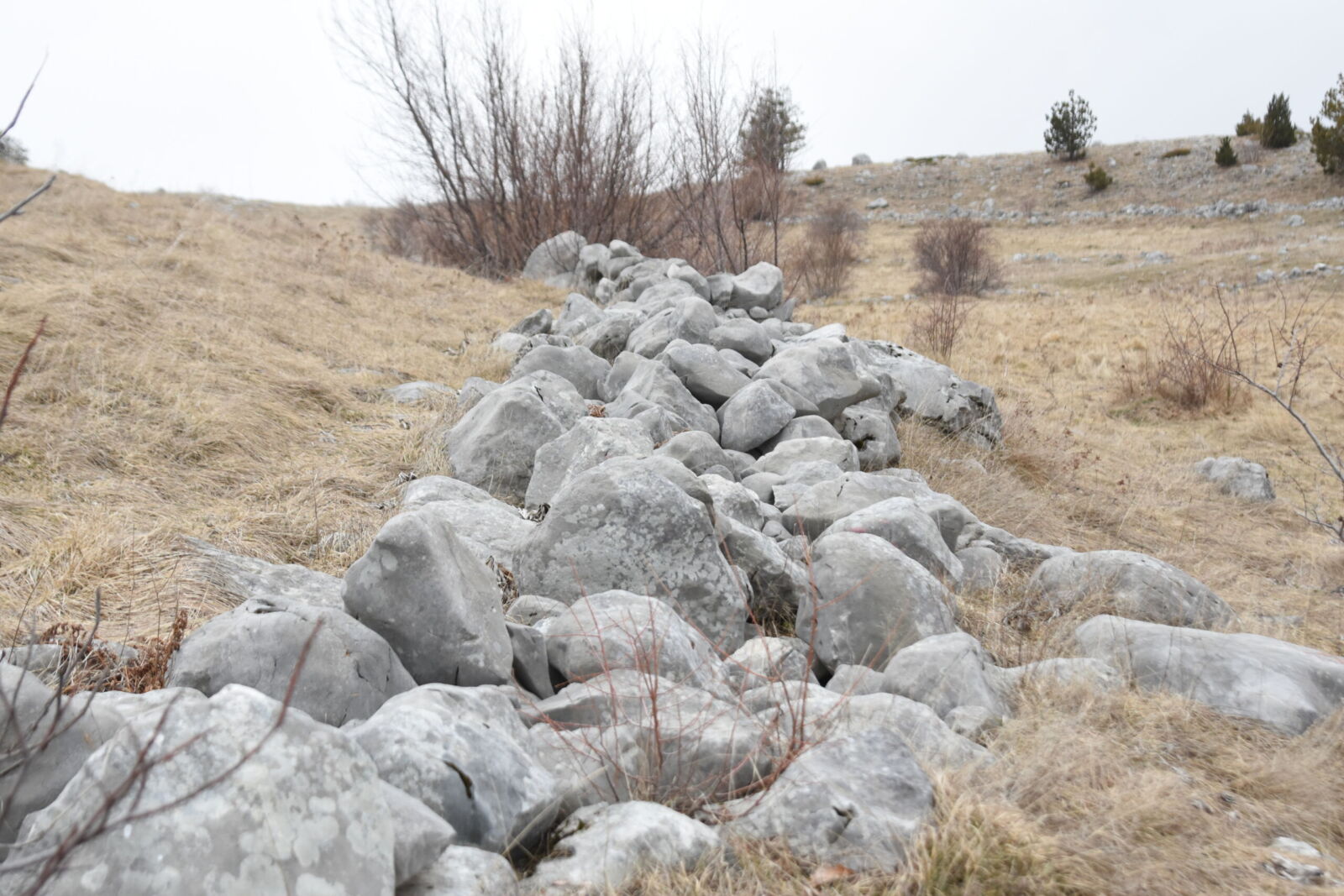
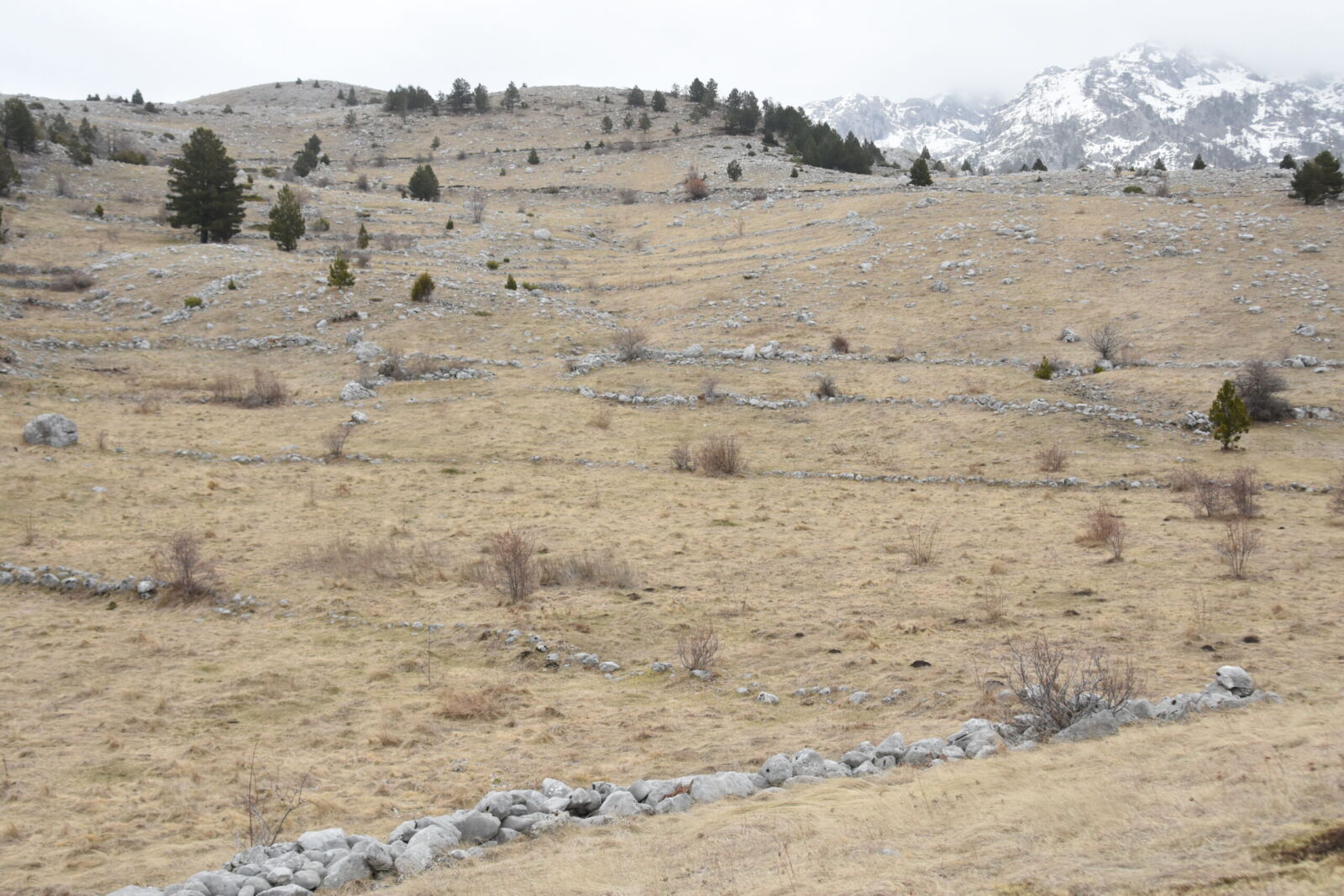
“Deep within the silent solitude of the međa – a traditional Montenegrin stone boundary built without any binding material, rising organically from the landscape to mark land ownership – an entirely different life comes to light.
Microorganisms inhabiting the soil stake out their territories, unaware of the stone structure’s dual nature: both natural and social. They live in darkness and, through growth and development, construct and generate diverse forms of intelligent solutions.
They construct – among themselves – advanced spatial configurations: intricate, adaptive systems open to continuous expansion and applicable even at the macro scale.
They produce – responses to light, environmental shifts and temperature changes – manifesting as mesmerising bio-pigments whose full potential is yet to be realised.
These natural pigments offer promising applications in architecture, civil engineering and beyond – pointing towards a future free from the toxic legacy of oil and metal, where colour becomes a living expression of environmental intelligence.
Through this quiet evolution, the city of the future may rise upon a living, ever-evolving foundation – one shaped by continuous growth, shared intelligence and the subtle emergence of hybrid systems rooted in nature.
These systems offer resilience as our first line of defence against the unfolding crisis of an endangered world.”